The Flemish Primitives were painted inside a circle you can walk in about twenty minutes, and most of that circle is still standing. Start at the quay where the merchant money came ashore, end in a bar that was already serving beer while Gerard David was working two streets away. In between are four Memlings still hanging in the building they were painted for, and one collection that closes at the end of 2026 for three years.
Begin where the ships came in
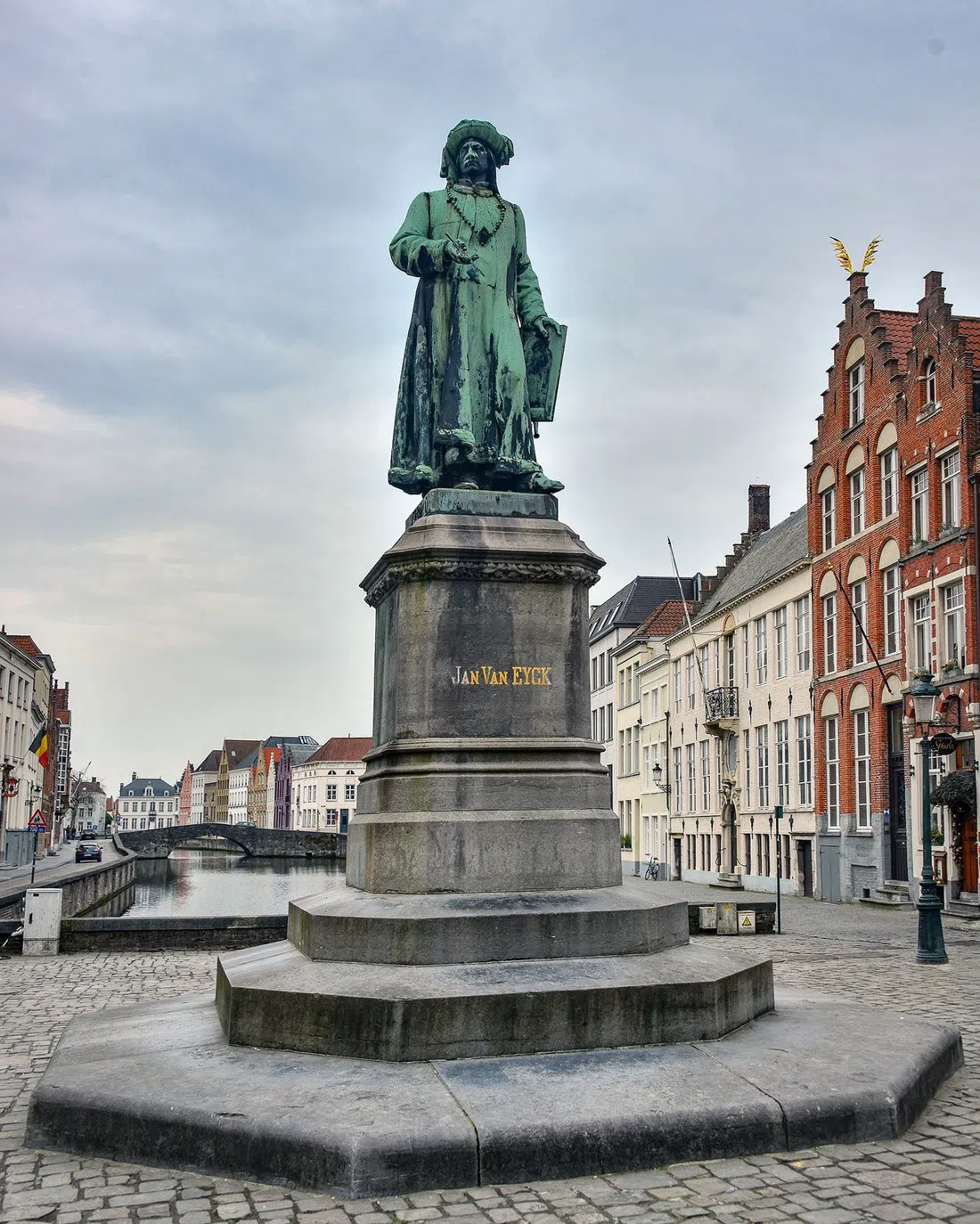
Jan van Eyckplein (Hanseatic quarter, north-east of the Markt) is a five-minute walk up Vlamingstraat from the belfry. It is free, open at all hours and has no queue, which makes it the one dependable meeting point on this route before the museums unlock. This was the harbour end of the medieval city. The water in front of you carried the wool, the alum and the Italian credit that paid for everything you will look at today. A group of twenty can muster here at 09:30 without anyone trying to sell them a boat ticket.
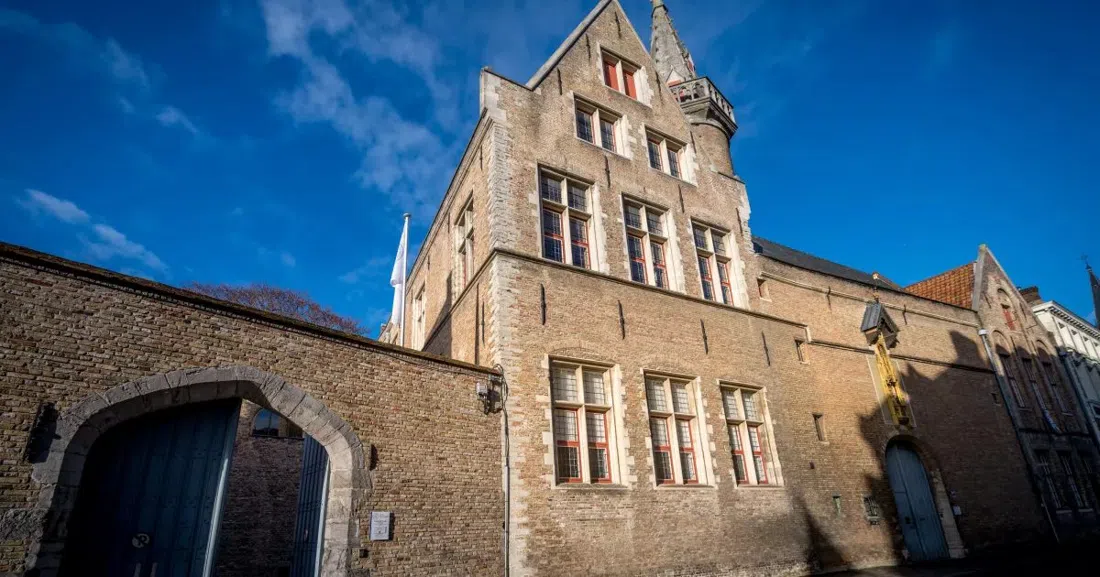
Two minutes west, the courtyard of Hof Bladelin (Naaldenstraat, off Vlamingstraat) opens roughly 14:00 to 17:00 and costs nothing. Pieter Bladelin commissioned an altarpiece from Rogier van der Weyden and later leased this house to the Medici bank, which is this whole walk in one address: Italian money renting a Flemish merchant's front door. The building now houses a convent and elderly residents, so treat it as look-and-leave. Small numbers, low voices, courtyard only, nothing further inside.
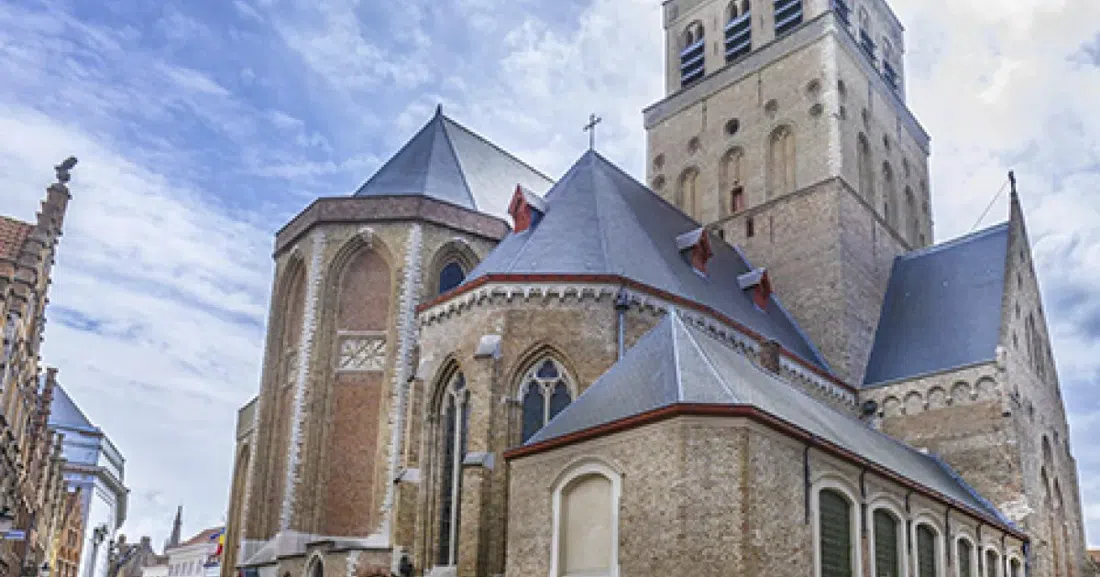
Three minutes on, Sint-Jakobskerk (Sint-Jakobsstraat, west of the Markt) is free to enter and in practice reliably open only in the afternoon. Check before you bring anyone on a fixed schedule. This was the parish church of the wealthy foreign merchant quarter, and what fills it is donated art and funerary painting rather than masterpieces, which is exactly the point. It shows you what commissioning looked like one rung below Van Eyck, from the same city, in the same decades. Small groups are fine here; a coach party is not.
The two collections that carry the trail
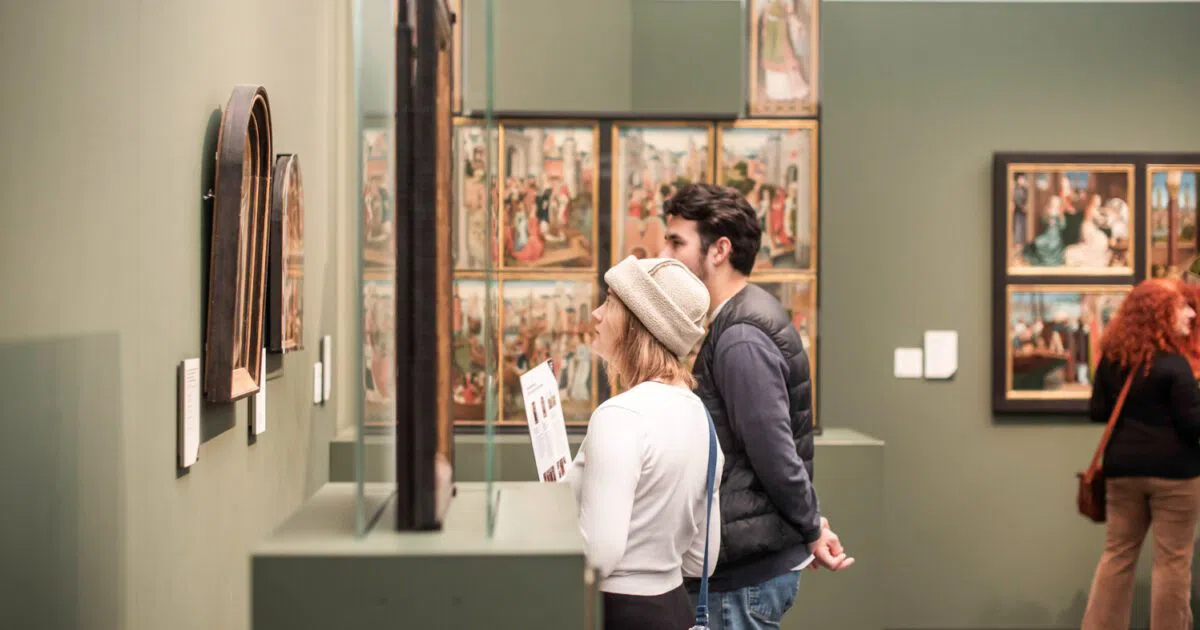
Groeningemuseum (Dijver, on the canal two minutes from the Church of Our Lady) is the anchor, and it holds the single best room of Flemish Primitives anywhere. Tickets are €15 adult, €13 under 26, €7 under 18 and free under 13. Musea Brugge runs booked guided tours and group rates, but maximum group sizes apply in the small Primitives rooms, so a party of thirty will be split into waves. Build that into your timings rather than discovering it at the desk.
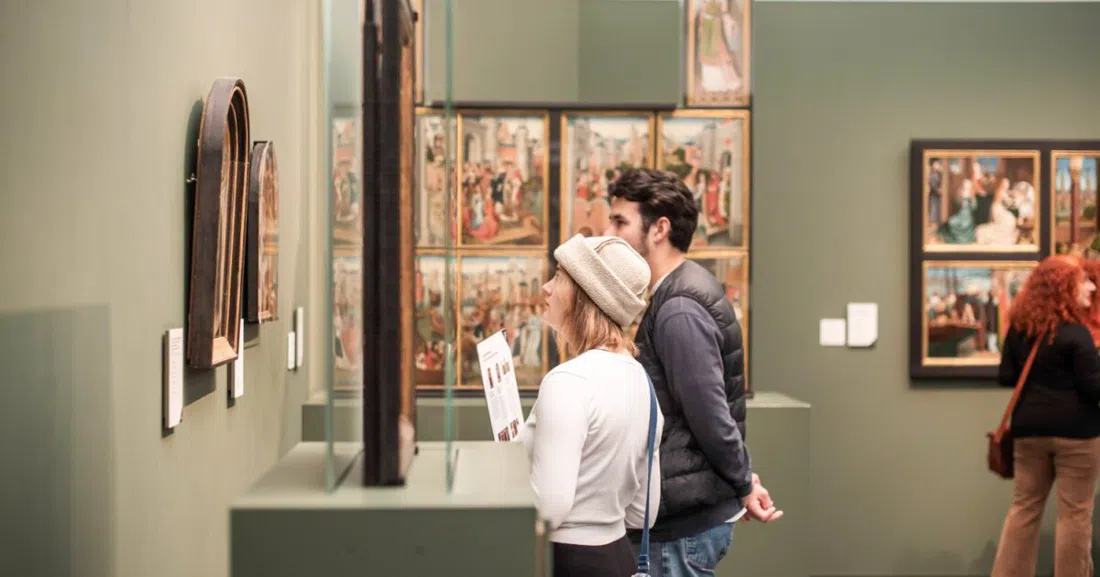
The deadline matters more than the price. The museum closes from 2027 for a renovation that runs to 2030, so 2026 is the last full year to see this collection in its own building, in the rooms it was hung for. One caveat for this summer: the Portrait of Margareta van Eyck is off its usual wall, on loan downhill to BRUSK. If that painting is the reason you came, buy the BRUSK ticket too.
Museum Sint-Janshospitaal (Mariastraat, opposite the Church of Our Lady) is a five-minute walk and, for my money, the rarer experience. Four of the seven Memling masterpieces here were painted for this building and have never left it. Almost nothing else in European art gives you that: the picture, the room, the institution that ordered it, all still in the same place. Same pricing as the Groeninge, €15 adult, €13 for ages 18 to 25, €7 for ages 13 to 17, free under 13. Groups can book the dedicated 'Discover the Collection' tour, which is the version worth paying for if you have people who do not read wall labels.
BRUSK and what happens after 2026
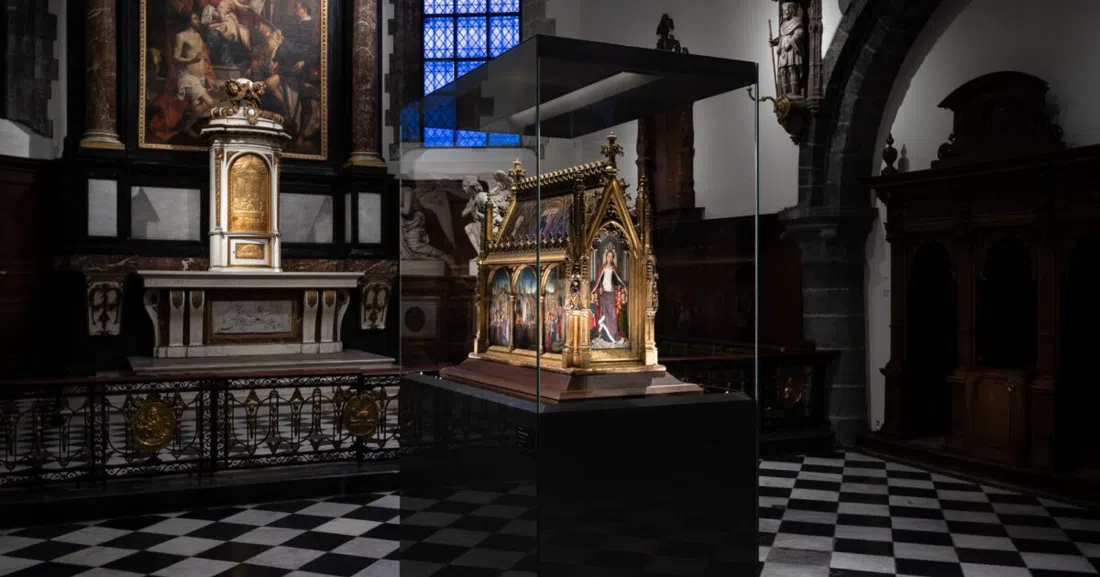
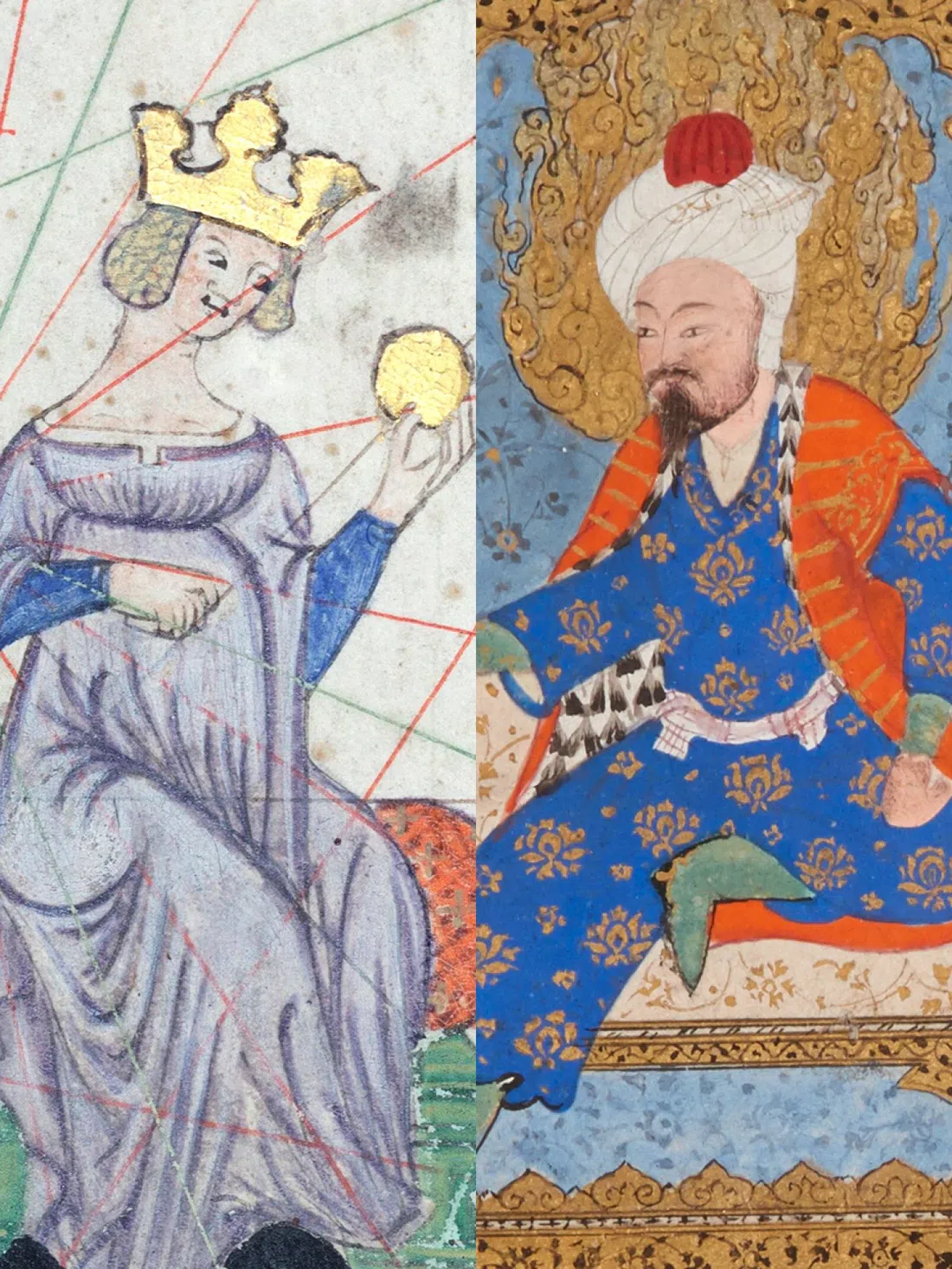
BRUSK (Garenmarkt, three minutes east of the Groeningemuseum) opened on 8 May 2026 and is the newest thing in the city. Entry is €20 adult, €15 under 26, €10 under 18, free under 13, the steepest ticket on this trail. Right now it runs 'Bigger Picture: Connected Worlds of Bruges 900–1550', on until 6 September 2026, which sets the painting inside the trade and politics that produced it.
Two practical things. On Mondays only the Scala café area is open, so a Monday visit buys you coffee and not the exhibition. And from 2027 this building becomes the temporary treasury for the Groeninge masterpieces during the renovation, worth knowing if you are reading this while planning a trip for a later year. There is a group booking channel on the site; use it rather than turning up with fifteen people.
The patrons who paid for the paint
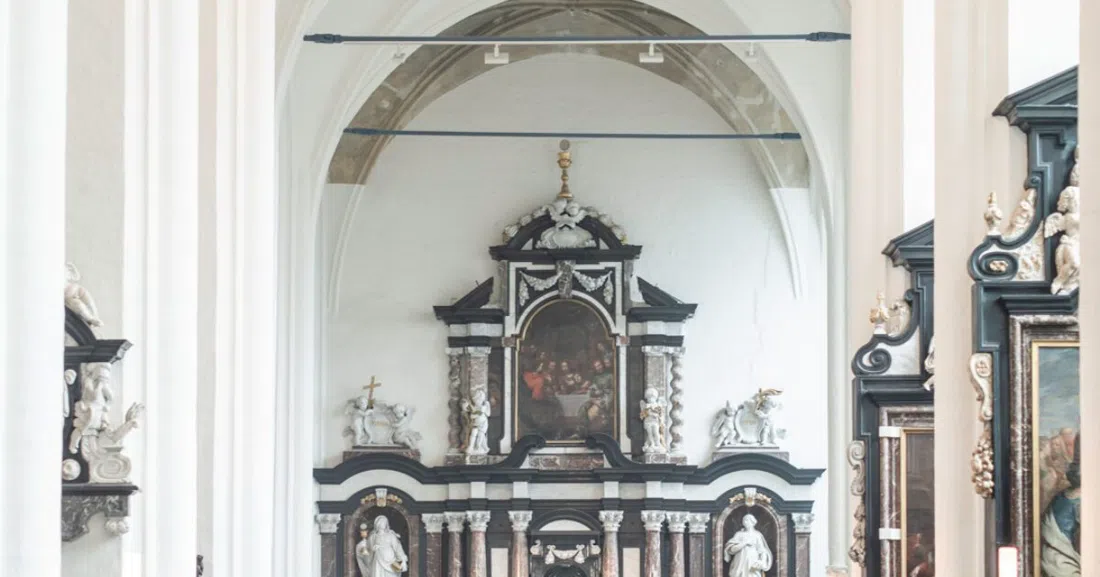
O.L.V.-kerk Museum (Church of Our Lady) (Mariastraat, next to Sint-Janshospitaal) is free to walk into. The museum section costs €10, or €19 on a combined ticket with the Gruuthusemuseum. Two reasons to go in: the Michelangelo Madonna, the only Michelangelo that left Italy in the sculptor's lifetime, and the Burgundian court tombs, which explain in stone who was funding Van Eyck and Memling in the first place. The church closes occasionally for weddings and funerals, so any group with a booked slot should confirm the date rather than assume.
Gruuthusemuseum (Dijver, sharing a courtyard with the church) is €15 adult, or the €19 combi above, and is closed Wednesdays. Louis of Gruuthuse was precisely the sort of patron who bankrolled this art, and his house shows you the taste and the money behind the paintings more directly than any wall text. Go up to the balcony that looks straight into the Church of Our Lady. It is the best single view in the city and most visitors never find it. Group tickets and guided tours go through Musea Brugge.
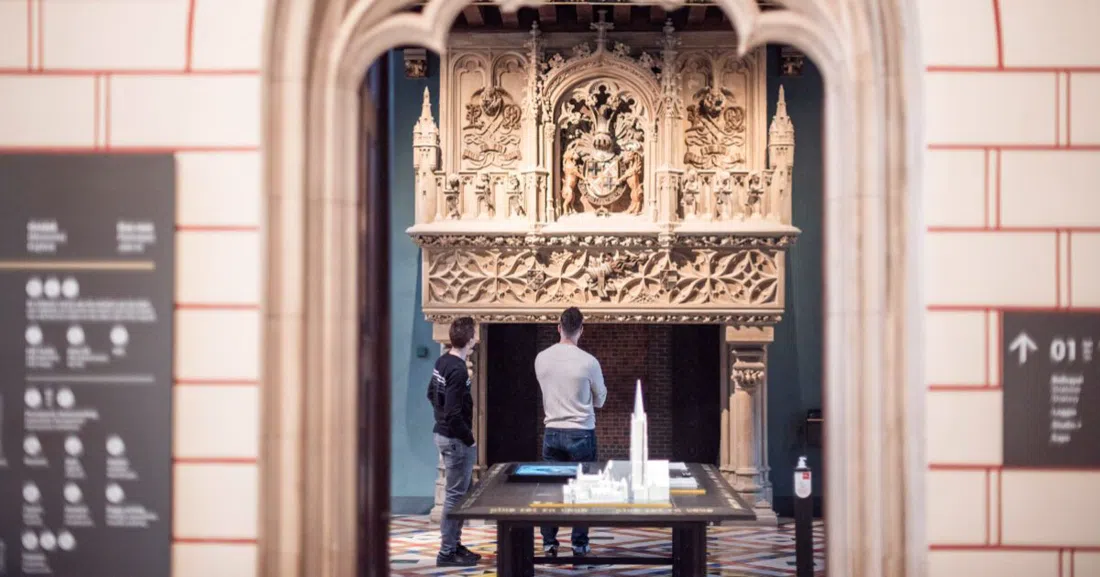
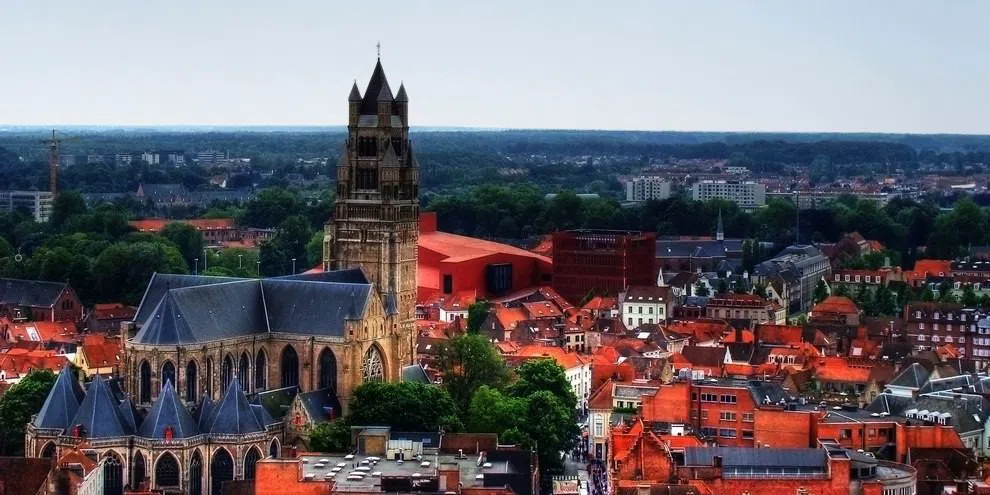
Sint-Salvatorskathedraal (Saint Saviour's Cathedral) Treasury (Steenstraat, west of the Markt) is the most overlooked Primitives holding in Bruges. The cathedral is free; the treasury museum carries a small charge and keeps restricted afternoon hours, so phone ahead if you are bringing a group. Inside a side room that thousands of people walk past every day on their way down Steenstraat are works by Bouts and Hugo van der Goes. Ten minutes here changes how you read the Groeninge.
The devotional engine room
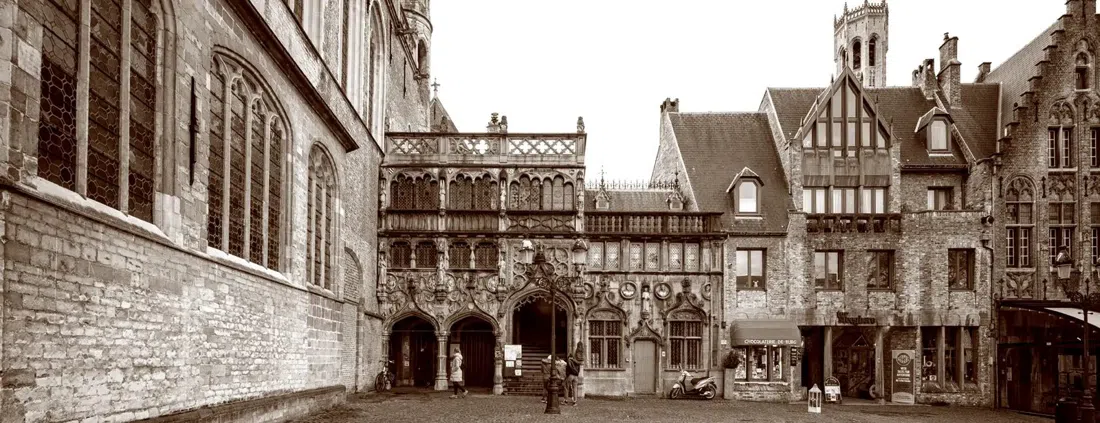
Basilica of the Holy Blood (Burg, one minute from the Markt) is free to enter, with the museum and treasury at €5 and free under 12. The confraternity attached to this church commissioned from the same workshops as the merchants did, and the treasury holds panels from the Gerard David circle. Access can be limited during Sunday mass and relic veneration, photographs are not allowed in the upper chapel, and the relic itself is not on display at every hour of the day, so do not build a visit around seeing it. Groups are accepted, but the upper chapel is small and stairs are narrow, so split larger parties.
North of the crowds
The last three stops sit out past where most day-trippers turn back, and they are the ones with the strictest doors.
Adornes Domain & Jerusalem Chapel (Sint-Anna, Peperstraat, about twelve minutes north-east of the Burg) is €11 adult, €9 for seniors and groups, €7 for ages 7 to 25 and free under 6. It is still owned by the same family after 600 years, and the Van Eyck link is direct: Anselm Adornes owned a Van Eyck St Francis and willed it to his daughter. It is closed Sundays and public holidays, which catches weekend visitors out constantly. Parties of 15 or more must register in advance because space is genuinely tight; school groups pay €5.
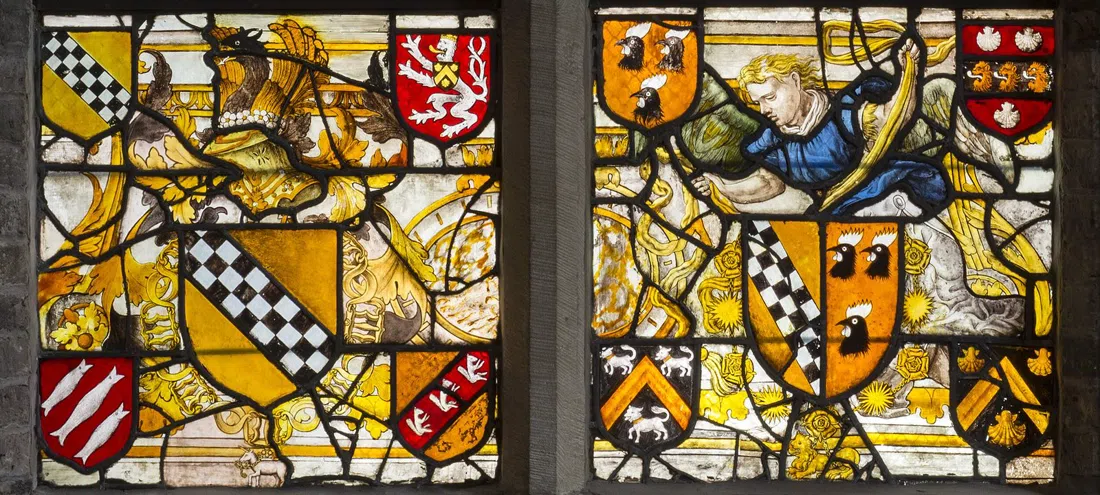
Sint-Gilliskerk (Sint-Gillis, six minutes north of the Adornes estate) is free and typically open 13:00 to 17:00 daily. Hans Memling was buried here, along with Pieter Pourbus and Lanceloot Blondeel. Be clear with yourself before you go: no grave marker survives, and there is nothing to photograph. What you get is the quiet parish church where the city's painters lived and were buried, which is a different and better thing than a monument.
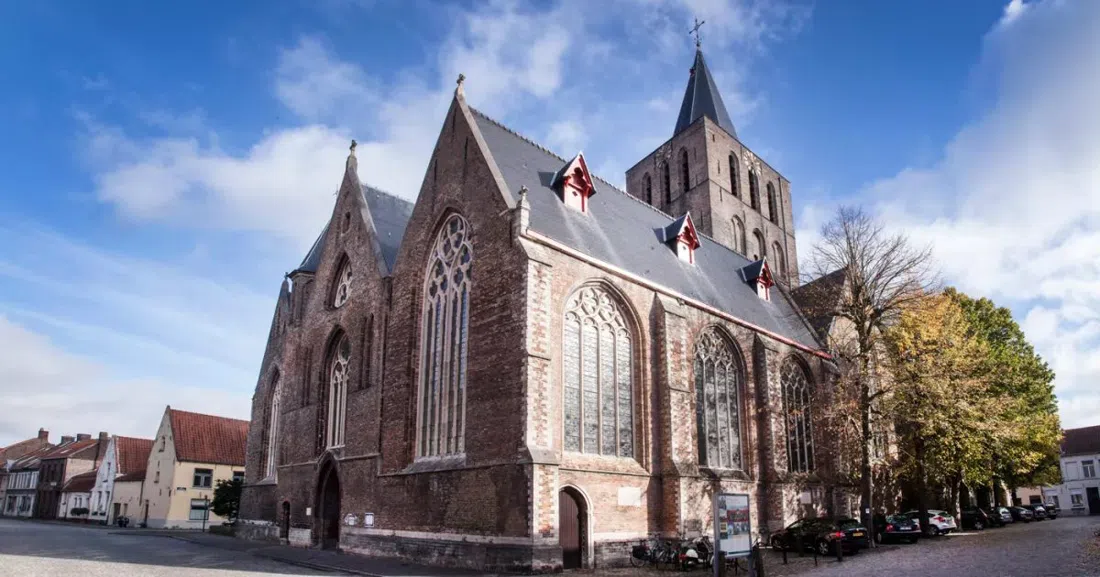
O.L.V. ter Potterie (Museum of Our Lady of the Pottery) (Potterierei, ten minutes further along the canal) is the furthest and quietest stop, a medieval infirmary with its own collection. It costs €8 adult, reduced under 26, free under 13, and it opens Friday to Sunday only. It shuts sharply at 17:00, and group visits must begin by 15:00 to be worth booking at all. Go on the wrong weekday and you will walk half an hour to a locked door.
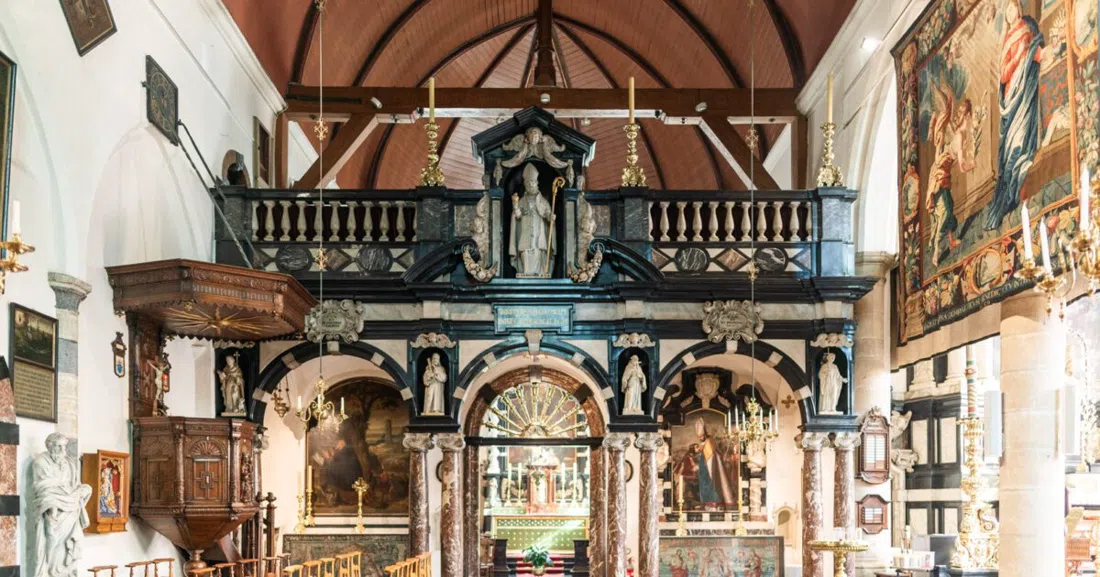
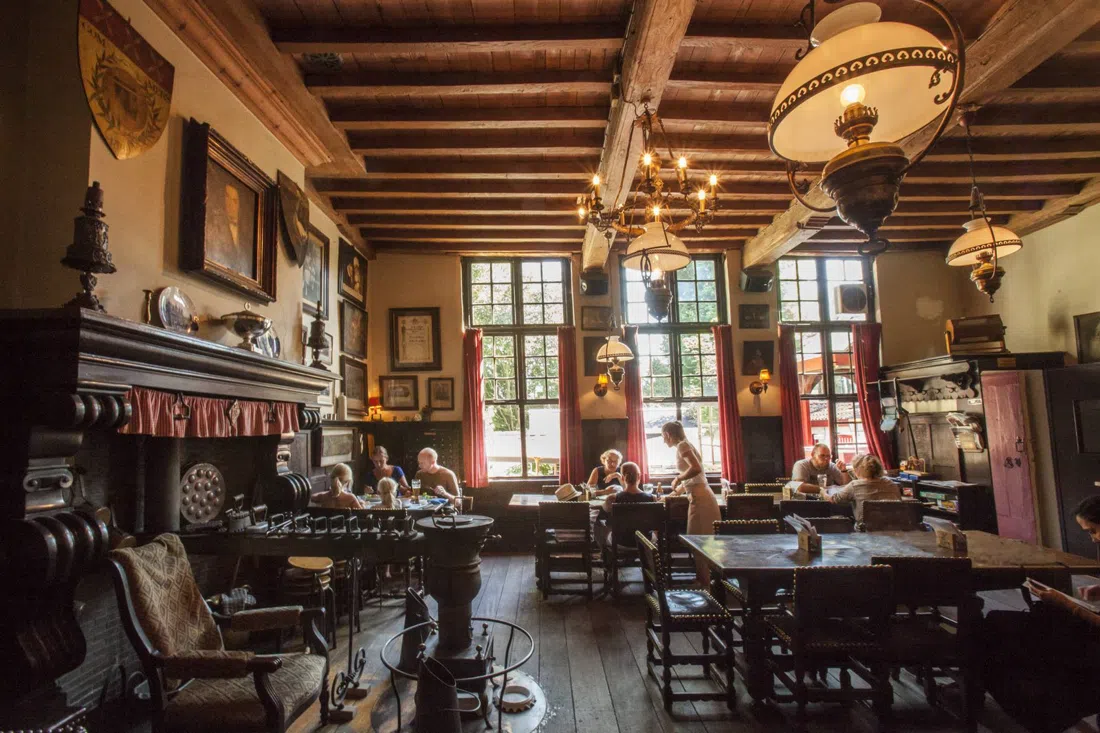
Finish at Café Vlissinghe (Sint-Anna, Blekersstraat, five minutes from both Sint-Gilliskerk and the Adornes estate). First recorded in 1515, so it was pouring while Gerard David still had a workshop in the city. Beer is €4 to €6, light plates run €10 to €18, and it is closed Mondays and Tuesdays. There is no reservations culture here. Couples and fours just walk in, but a party of ten should call ahead or expect to stand in the garden.
Walking it with other people
If you want the stops strung into one narrated art-history walk, Bruges Guides (Koninklijke Gidsenbond van Brugge) is the association to call. Founded in 1926, it fields more than 230 qualified guides across seven languages and runs private and themed walks on foot or by bike, for families, colleagues and associations. A private two-hour guided walk costs roughly €100 to €160 per group rather than per head, which makes it cheaper than most museum tickets once you are four or more. Its guides are licensed, not the freelance touts working the Markt.
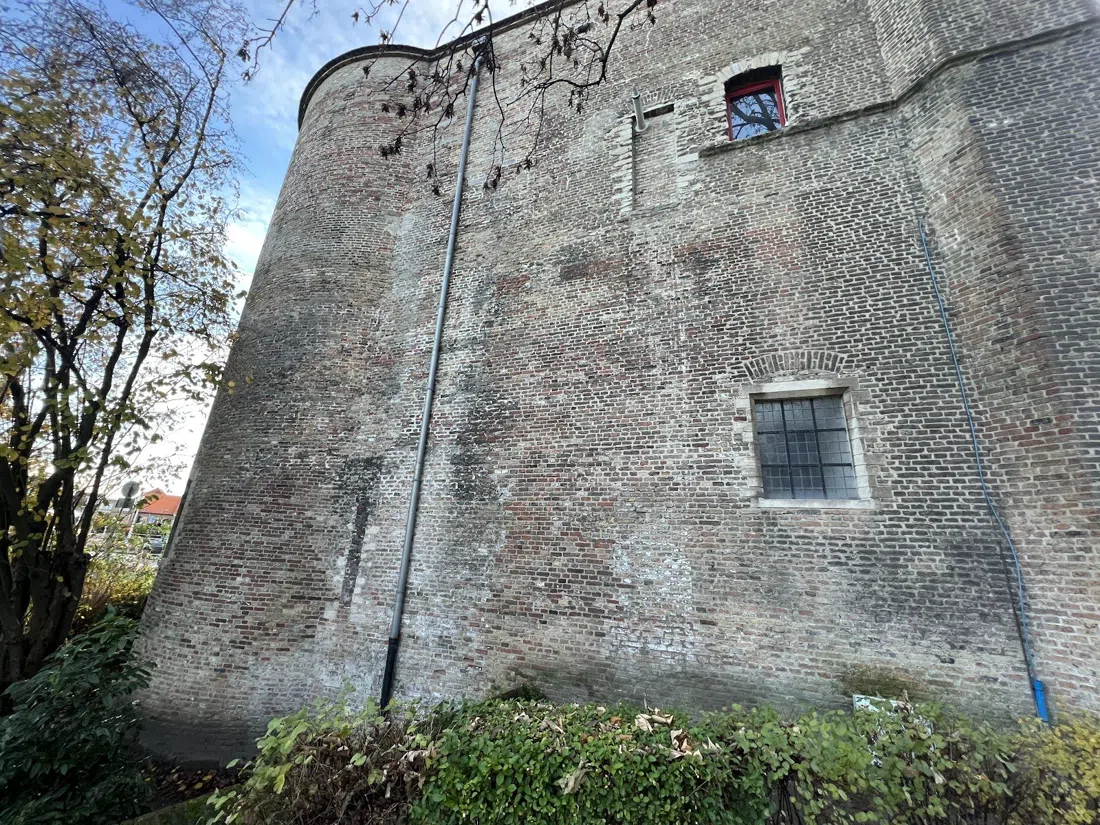
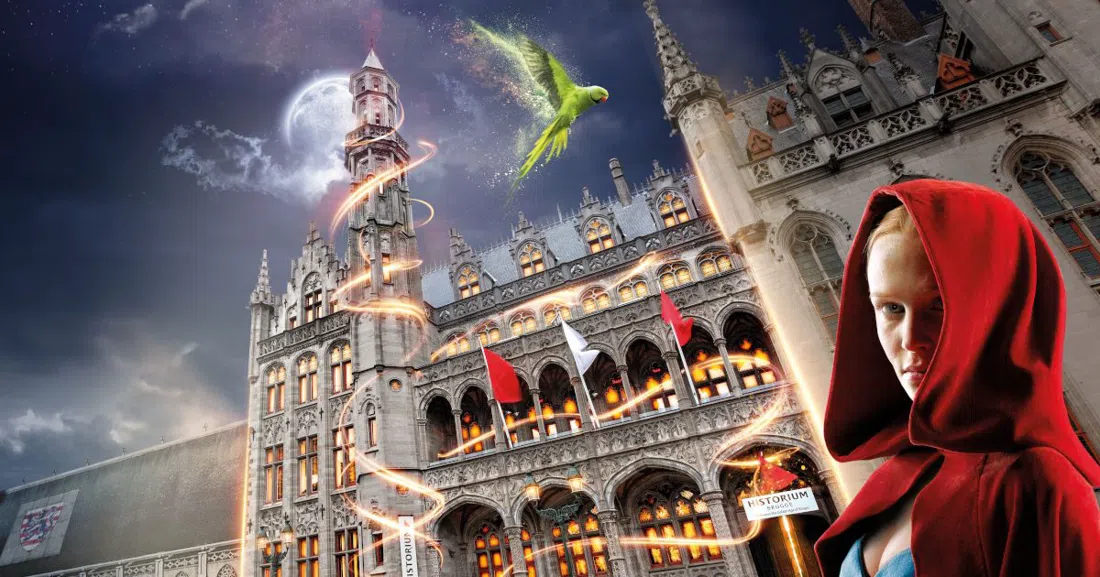
Historium Bruges (Markt) is the one unscholarly stop I would still recommend, and only for a specific reader. The Story plus VR ticket is €17.50 adult and €11 for children aged 6 to 12; it opens daily 10:30 to 16:45; the VR is not suitable under 6 and lands best from about age 11. Its narrative is built around Van Eyck's workshop in 1435, and for first-time visitors and children it supplies the city-as-it-was that makes the actual paintings legible an hour later. Do it before the Groeninge, not after.
Ordering the day so the doors are open
The hours, not the distances, decide this route. The museums open in the morning; the free churches (Sint-Jakobskerk, Sint-Gilliskerk from 13:00, the Hof Bladelin courtyard from around 14:00) are afternoon propositions. So run the paid collections first and the backstreets after lunch.
The closures stack awkwardly. The Gruuthusemuseum is closed Wednesdays. BRUSK is exhibition-closed Mondays. Adornes is closed Sundays and public holidays. O.L.V. ter Potterie opens Friday to Sunday only. Café Vlissinghe is closed Mondays and Tuesdays. Friday and Saturday are the only two days on which every stop here can be open, and Friday is the quieter of the two. Sunday is the worst: Adornes shut, basilica access restricted around mass. Our wider Bruges guide covers what else in the city keeps the same awkward hours.
Practical notes before you go
Transport. The station is about a twenty-minute walk south-west of the Markt, and the whole trail is walkable. Jan van Eyckplein to O.L.V. ter Potterie, the two furthest points, is under half an hour on foot. The cobbles are unforgiving, so wear real shoes, and be aware that most of the historic centre is awkward for wheeled cases. Bikes are the sensible option for the northern stops if you are covering Adornes, Sint-Gillis and ter Potterie in one afternoon.
Cash. Cards work at every ticketed museum on this list. Carry €10 to €15 in coins anyway for the cathedral treasury, candle boxes and the smaller church charges, and for Café Vlissinghe at a busy hour.
Timing. Two full days does the trail properly: the Groeninge, Sint-Janshospitaal, BRUSK and the Church of Our Lady on day one, then the churches, Adornes, ter Potterie and Vlissinghe on day two. Compressed into one day, cut BRUSK and ter Potterie rather than rushing the Memlings. Allow ninety minutes at the Groeningemuseum and an hour at Sint-Janshospitaal.
Budget. Paid entries for the full trail come to roughly €93 per adult: Groeninge €15, Sint-Janshospitaal €15, BRUSK €20, the €19 church-and-Gruuthuse combi, Adornes €11, ter Potterie €8 and the basilica treasury €5. Add €17.50 if you want Historium, or split €100 to €160 across the group for a licensed guide. Families do noticeably better than couples here: every museum on this list is free under 13.
Staying nearby. Sleeping inside the ring canal is what makes the afternoon-only doors workable, since you can go back for the ones that were shut. Compare rates on our Bruges hotel search, and if you are here specifically for the Groeningemuseum, book for 2026 rather than later. After this year that collection moves out for three years.