The Bruges issue
Cocoa & Cloister: A Hands-On Chocolate and Beer Feast in Bruges
A clock-led walking route through Bruges' best chocolate counters, make-your-own workshops and Trappist beer cellars — with opening hours, door realities and real prices.
By Marit HendriksSlow days through the canals
Bruges keeps its chocolate counters and its beer cellars inside the same half-mile of cobbles, so you can taste both in a single afternoon without ever calling a taxi. This guide walks you from the shops on Simon Stevinplein to the brewery on Walplein and the hidden-alley bars in between, with opening hours, door policies and what each place actually costs. Plan the day by the clock rather than the map — several of the best rooms stop serving early, and two of the finest bars seat barely a dozen people.
Start with the chocolate shops
Begin where the cocoa is best and the queue is shortest: mid-morning, before the day-trip coaches arrive.
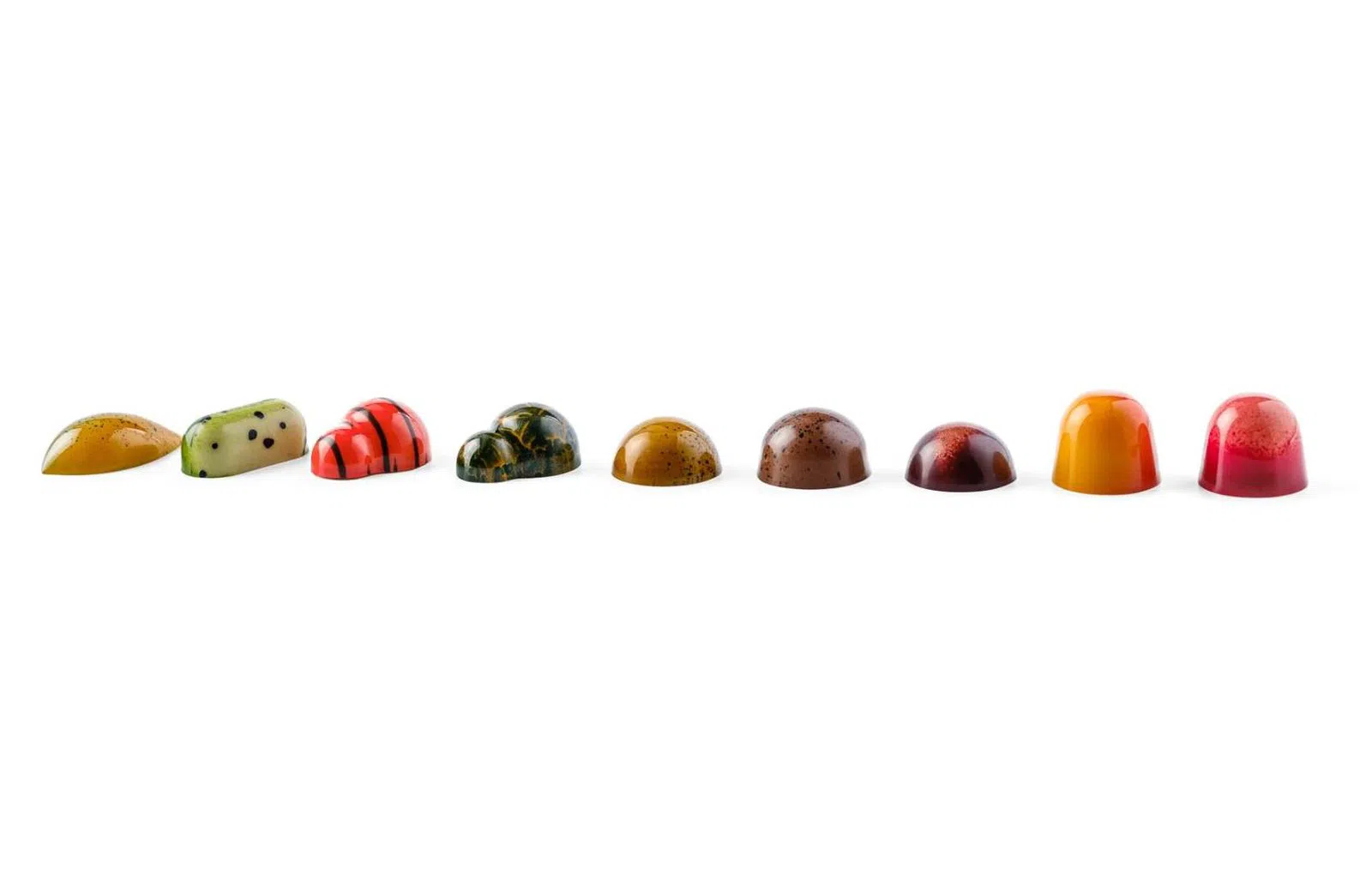
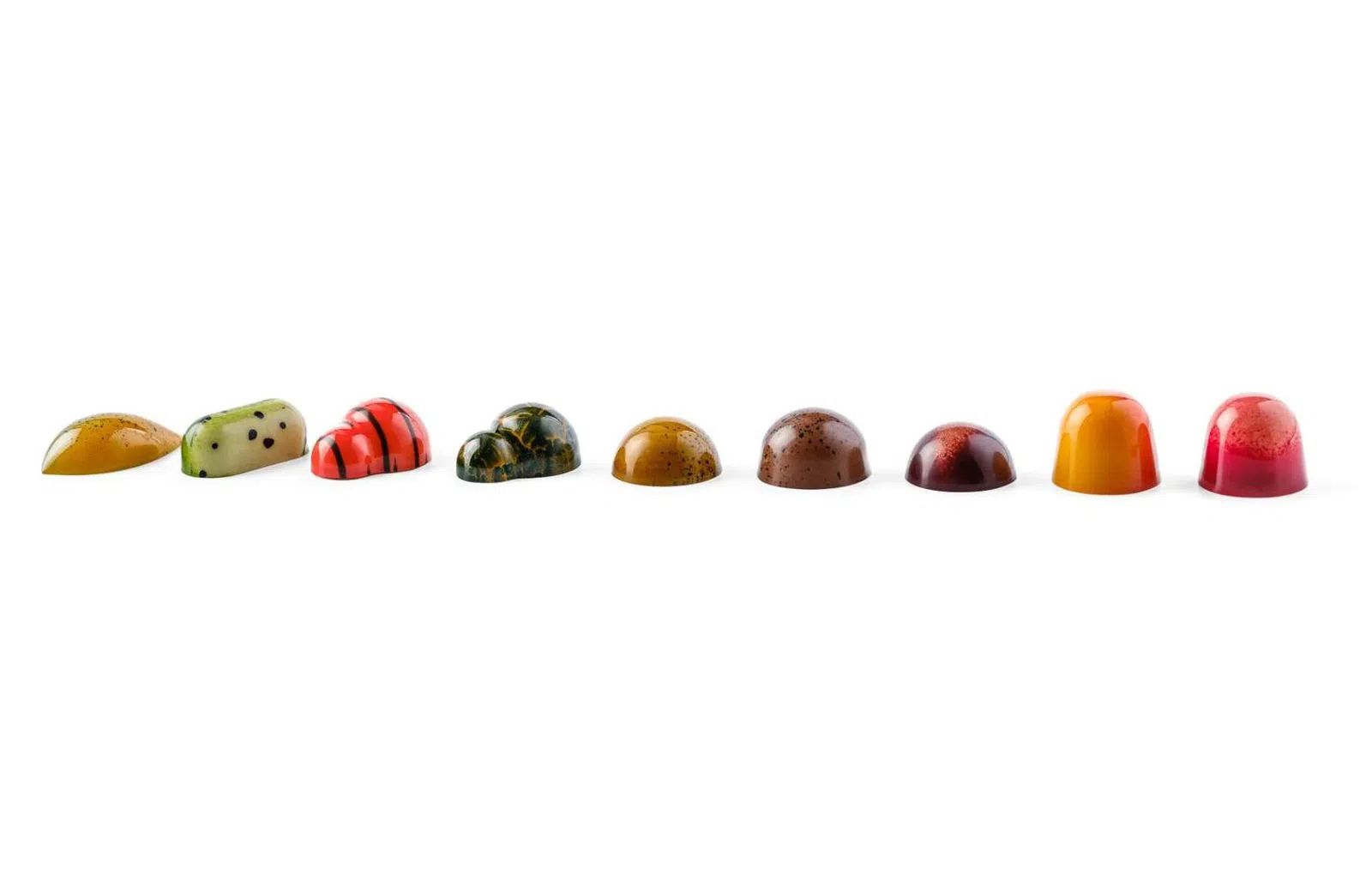
The Chocolate Line (Simon Stevinplein, a two-minute walk south of the Markt) is the name most UK readers will already know. This is Dominique Persoone's shop — the self-styled 'rock star' chocolatier behind the bacon, tobacco and wasabi pralines. It is a walk-in shop with no reservation needed; small groups browse the counters happily, and if you are travelling as a booked party you can ask them to arrange a masterclass. Individual pralines run roughly €4–6, and a mixed box is €25–50 depending on size. Buy a small selection here rather than a big box — you will want counter space in your bag for the next stop.
A five-minute walk north, near the Markt off Eiermarkt, Dumon Chocolatier is the purists' counterpoint. Three generations of the same family, no gimmicks, classic Belgian pralines made to be eaten within the week. The shop is genuinely cramped, so it suits couples and small groups; a big party will spill onto the pavement. Pralines are about €3–5 each and a 250g selection is around €15. If The Chocolate Line is the theatre, this is the technique — try both and taste the difference for yourself.
Plan your Bruges trip
Live prices from our booking partners.
Free cancellation on many rooms. We may earn a commission when you book.
Make your own
Bruges rewards visitors who want to do more than buy a box, and there are two very different ways to get your hands dirty. Which you choose depends entirely on your group size.
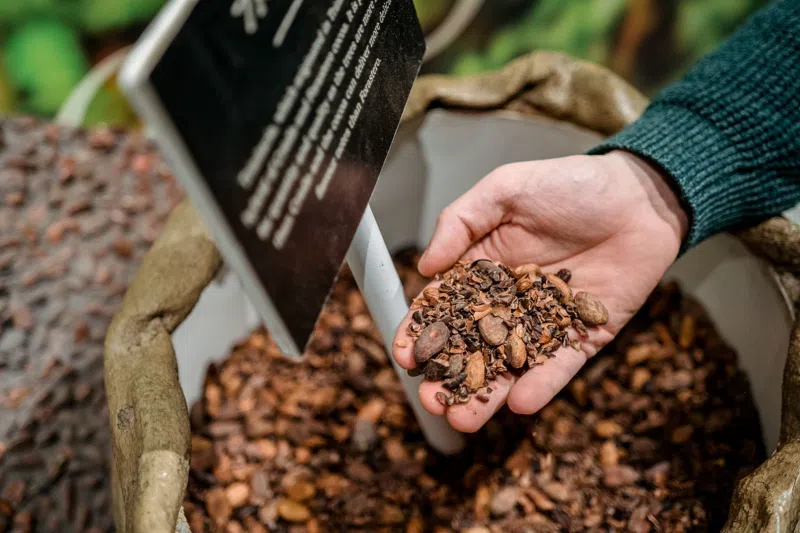
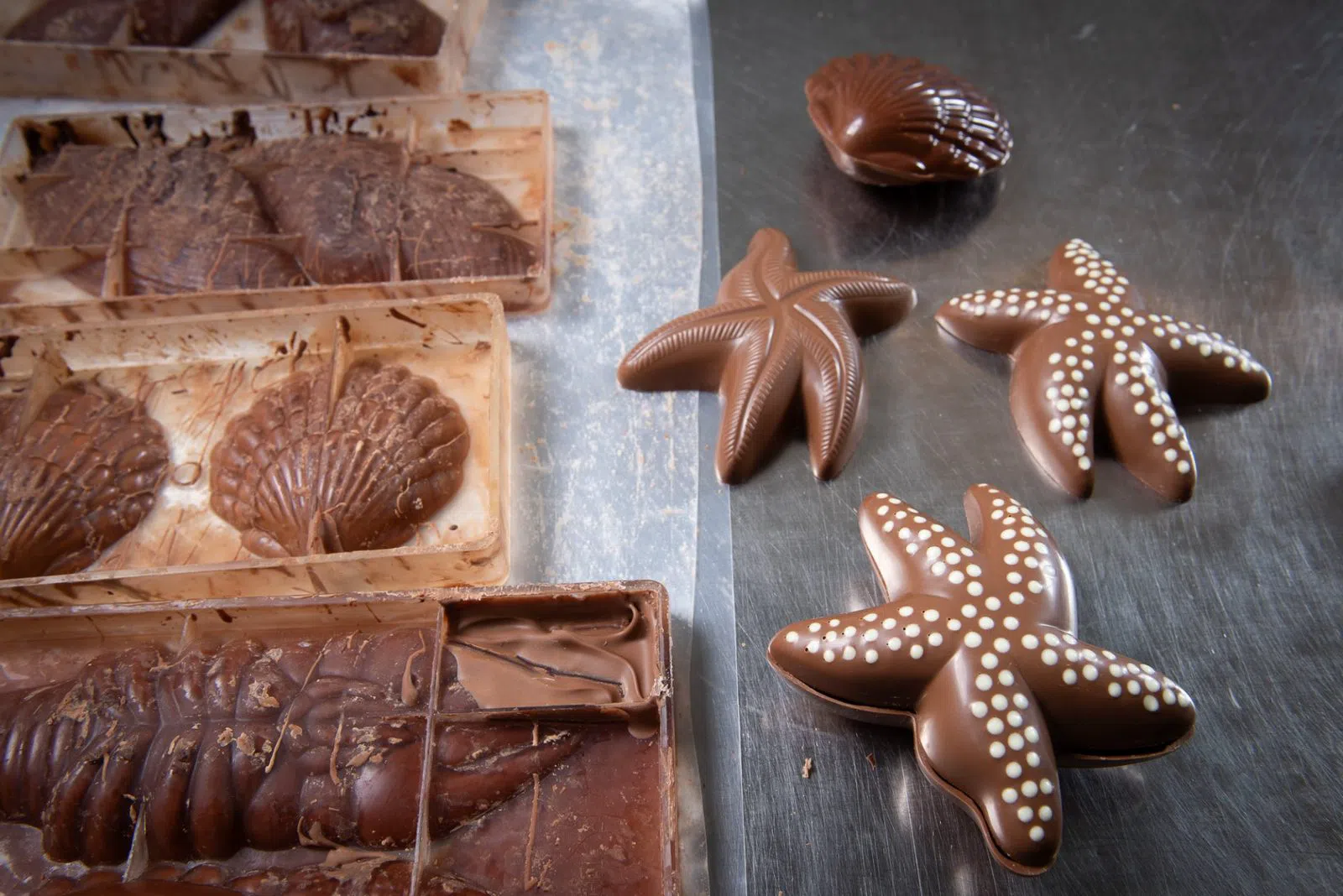
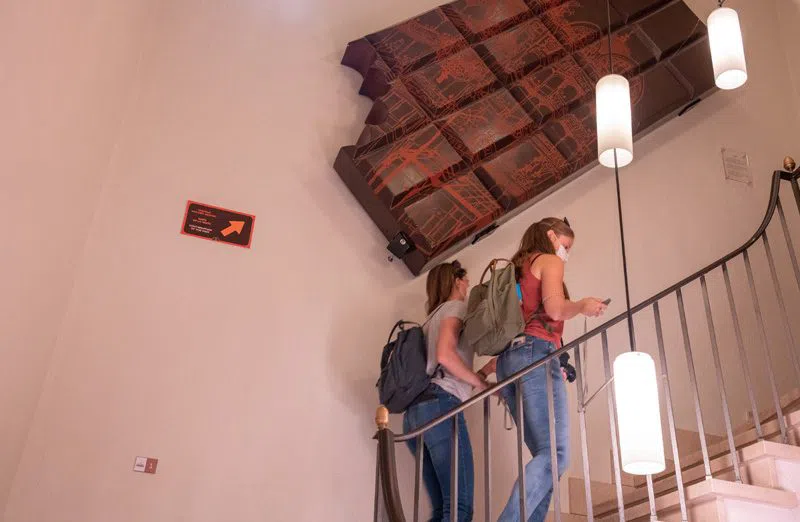
Choco-Story — The Chocolate Museum (Sint-Jansplein, a short walk north-east of the Markt) is the reliable all-rounder. The museum itself handles large groups and works well for families and hen parties, walking you through cocoa's history before you taste. Its hands-on workshop is the draw: a one-hour session capped at fifteen people, where you make your own lollies and mendiants and take them away. The museum alone is around €13; the workshop with museum entry is about €30. Because the workshop is capped, book it ahead — turning up on the day with a group of ten is how people end up doing only the self-guided rooms.
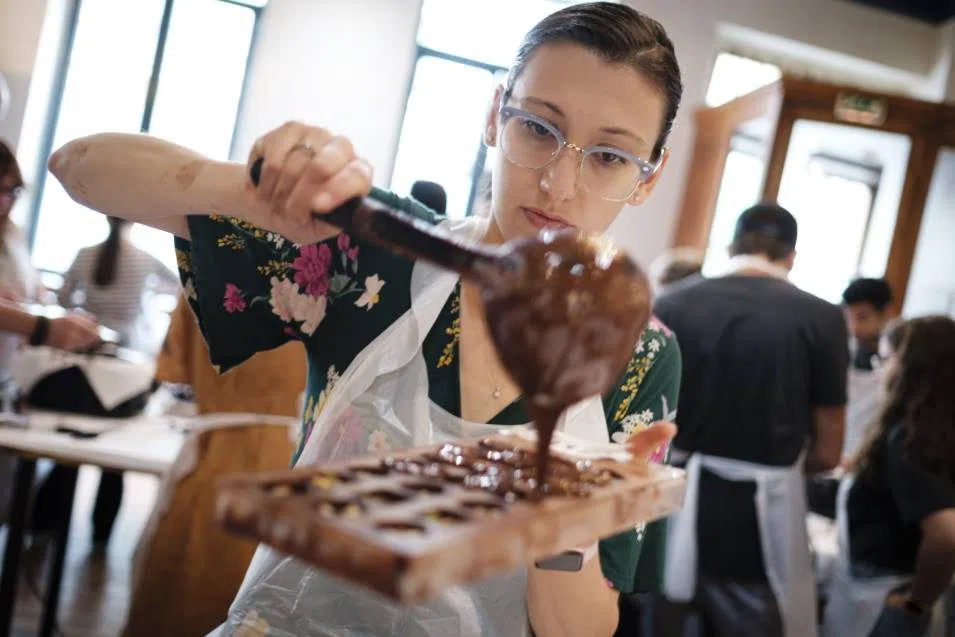
For a proper group activity, Bruges Chocolate Workshops (central Bruges) is the dedicated operator. This is the one built for teambuilding, stags and hens — parties of up to around twenty-one, with private sessions for groups of fifteen or more at roughly €90 per person, and a public workshop at about €45 per person. You make and take thirty chocolates, and they can run the session vegan or dairy-free if you flag it when booking. If your trip is a group booking first and a chocolate lesson second, this is the strongest pick; the €90 private rate buys you a room to yourselves and no strangers in the photos.
A hot chocolate to slow the pace
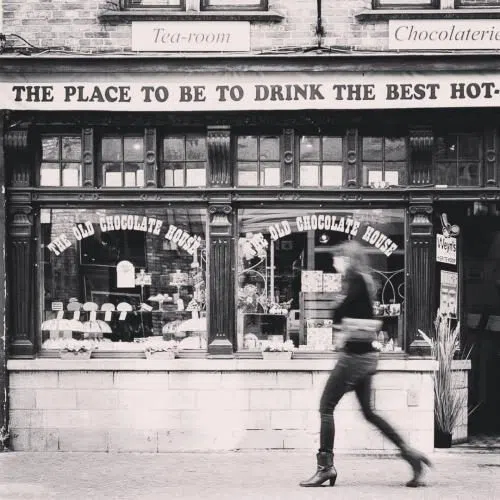
When your feet want a sit-down — and on a Belgian winter afternoon they will — head to The Old Chocolate House (Mariastraat, by the Church of Our Lady). This is Bruges' definitive melt-your-own hot chocolate: you are brought a jug of warm milk and a block of chocolate on a stick to stir in yourself. The tea room seats groups, which makes it a rare warm set piece that a party of six or eight can actually share. One hard rule governs your timing: last food and drink orders are around 17:25, and the room fills through the afternoon, so treat this as a mid-afternoon stop and aim to be seated by 16:00. Hot chocolate starts at €7, with toppings adding about €2. Order the plain first — it is the point of the place.
The essential brewery
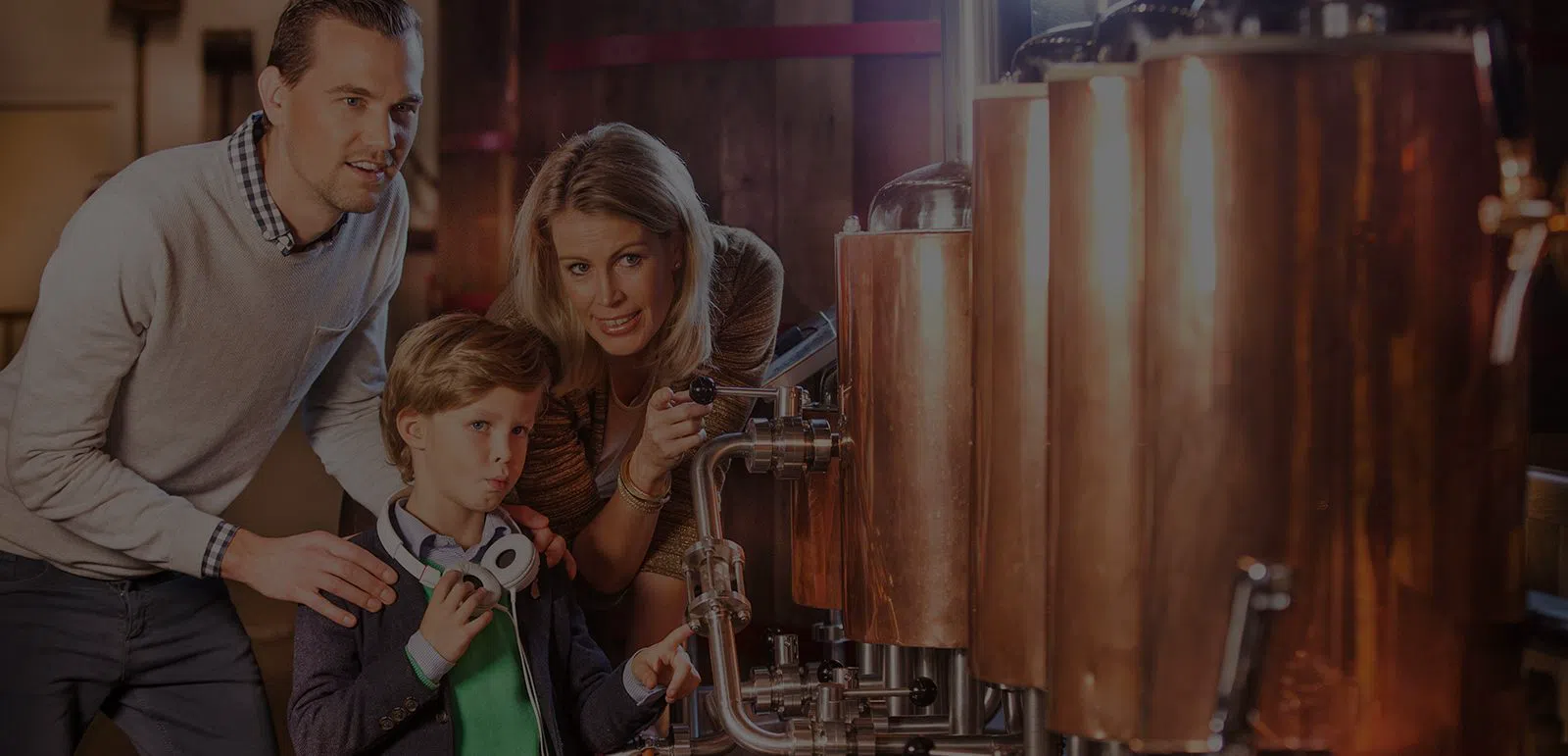
No chocolate-and-beer trip earns its name without Brewery De Halve Maan (Walplein, in the quiet southern streets near the Begijnhof). This is Bruges' last family brewery and the home of the famous underground beer pipeline that pumps beer beneath the old town to a bottling plant outside the centre. The guided tour is the way in, and a tasting is built into the price — expect roughly €18–20 for the tour plus one beer. Tours take groups, but larger parties should book ahead; walk-up spots on a busy afternoon go quickly, and the climb to the rooftop viewpoint is popular. Allow a good hour and a quarter here, more if you stay for a second glass in the courtyard.
Trappist and abbey beer, explained then tasted
If your readers don't yet know their Trappist from their abbey beer, spend the first half-hour getting it straight. Bruges Beer Experience (on the Markt itself) is a self-paced museum that handles groups without fuss and ends with a guided three-beer tasting; entry plus the three tastings is around €18. Do this before the bars, not after — it turns the rest of the day from drinking into tasting.
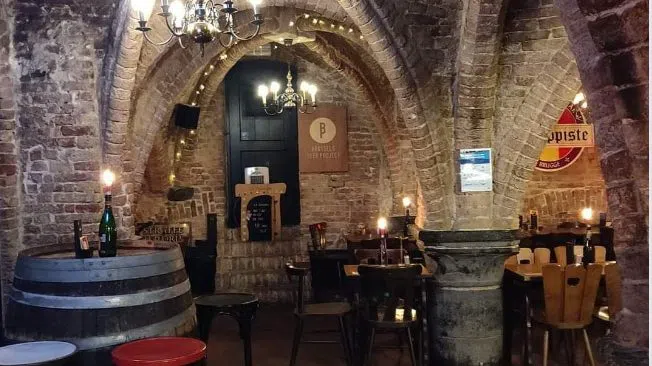
Then go deep. Le Trappiste (a cellar on Kuipersstraat, just off Eiermarkt) is the best pure Trappist and abbey specialist in town, an atmospheric vaulted room that suits small-to-mid-sized groups. It can get busy in the evening, so it is worth booking a table. Beers run about €4–8, and the tasting flights — roughly €12–18 — are the reason to come: they let you sample across the six Trappist breweries in one sitting, which is the single most useful thing a curious beer drinker can do here. Order a flight per pair and share.
The connoisseurs' bars — and their door realities
Two of Bruges' most famous bars are also its smallest, and being honest about that will save your readers a cold wait on the cobbles.
't Brugs Beertje (Kemelstraat, just off the Steenstraat shopping run) is the legendary connoisseurs' pub, with a list of more than three hundred Belgian beers and staff who know every one. It is also tiny and frequently full. Go as a couple or a threesome, expect to wait for a table at peak times, and don't arrive as a party of eight hoping to sit together — you won't. Beers are around €4–7. This is a must-mention for any serious beer drinker, with the squeeze flagged clearly.
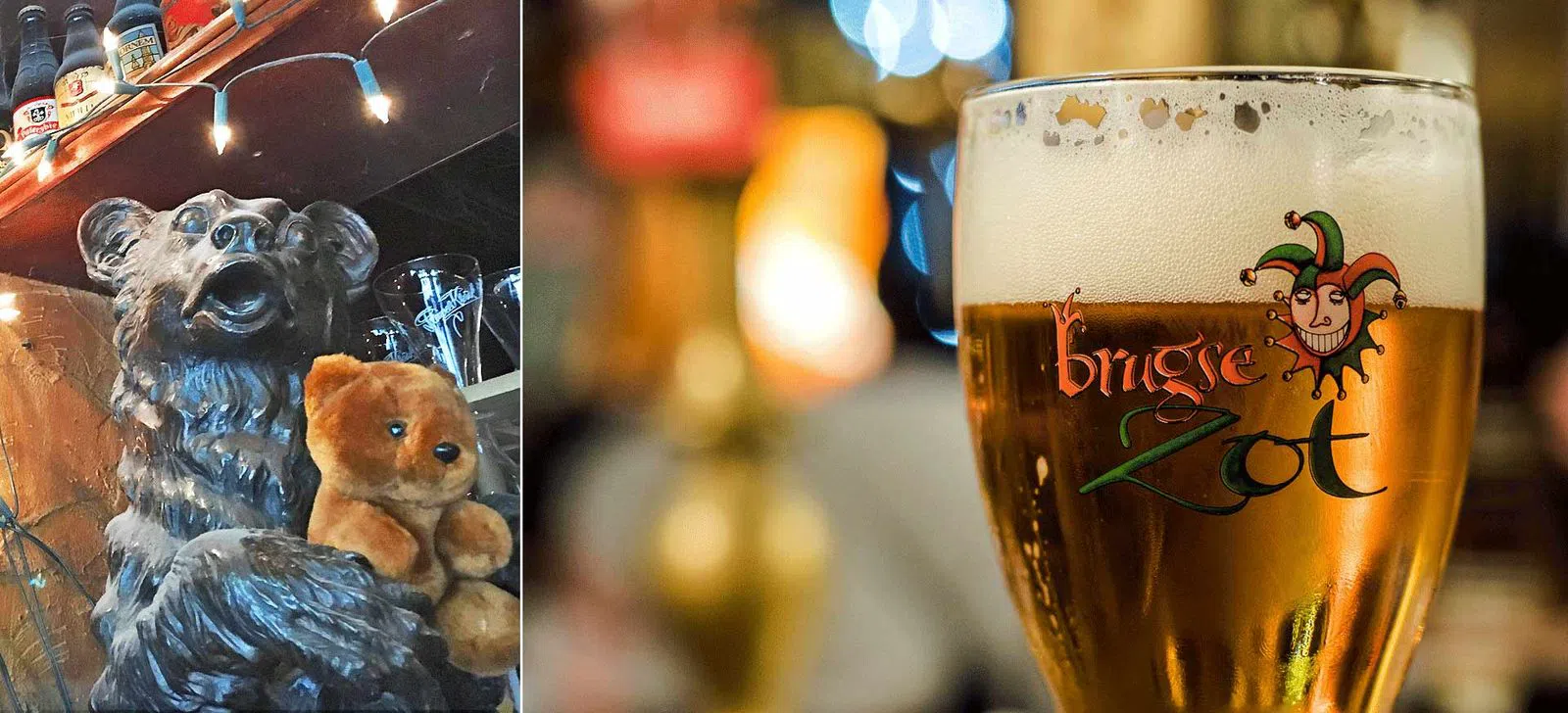
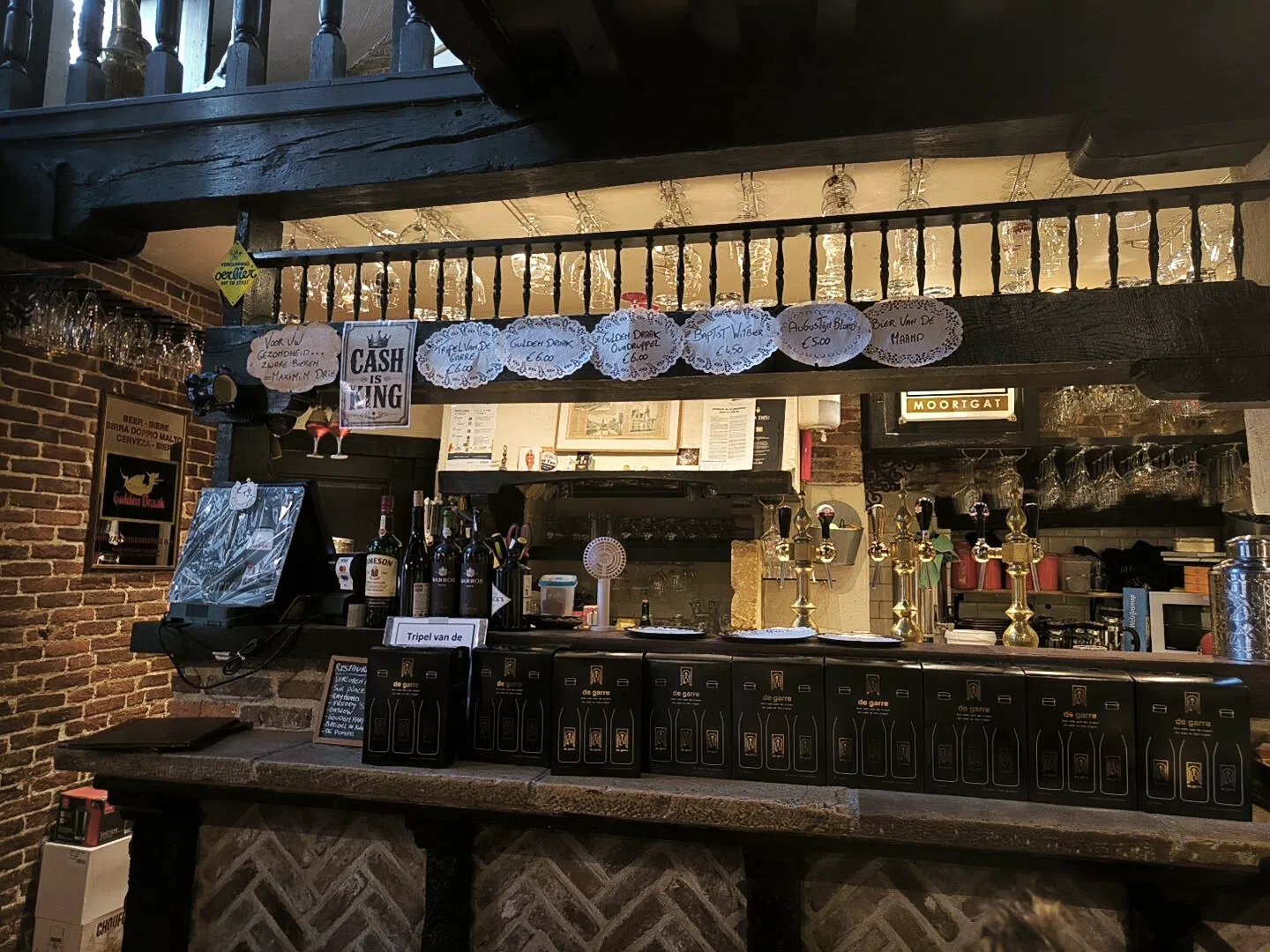
Staminee De Garre hides down its own narrow alley off Breidelstraat, between the Markt and the Burg — you walk past the entrance twice before you spot it. Inside it is very small, strictly for couples and tiny groups, and it enforces a three-glass limit on its own-label Tripel van De Garre, which is strong enough that the limit is a courtesy rather than a restriction. Beers run about €4–9. This is the genuine 'in the know' discovery of the trip; treat it as a two-person detour, not a group plan.
Room for a group
When you are travelling in numbers and the small bars won't take you, two larger rooms will.
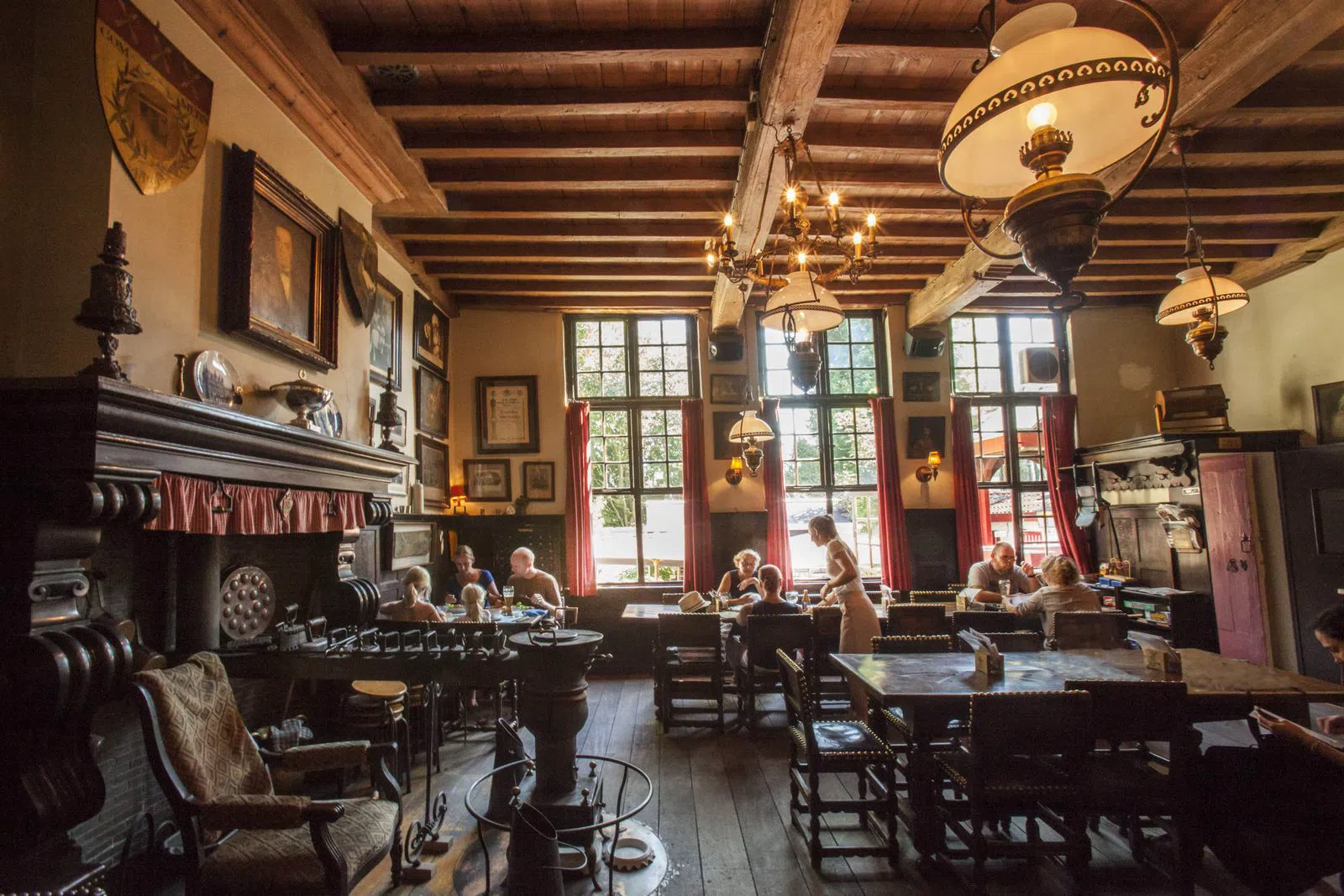
Café Vlissinghe (Blekersstraat, in the calm Sint-Anna quarter a few minutes' walk east of the centre) is Bruges' oldest café, established in 1515. It is roomier than most, and its beer garden suits summer groups and a round of games away from the day-trip crush. Beers are about €4–6. The walk out to Sint-Anna is short and pleasant, and it thins the crowd noticeably.
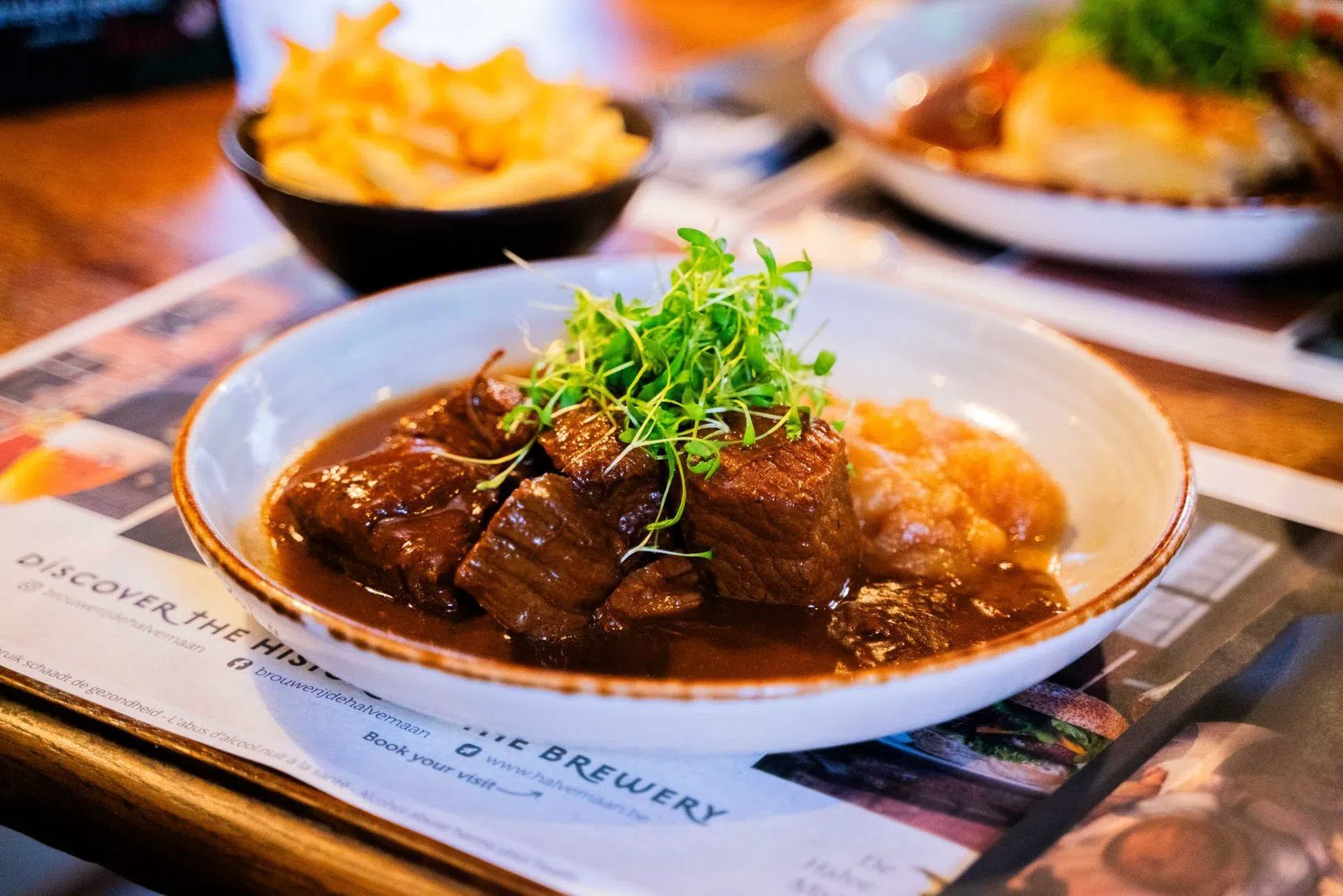
For a full sit-down meal with the beer, Bierbrasserie Cambrinus (Philipstockstraat, a minute off the Markt) is the best eat-and-drink venue in the centre. It is a large restaurant that comfortably seats groups, with a four-hundred-strong beer list that includes the Trappists and a kitchen that does proper beer-food pairings. Beers run €5–8 and mains €20–28. Book ahead for a group of six or more, especially at weekends, and ask for a pairing suggestion when you order — the staff pour to the plate.
Building the day into a route
The honest way to plan this is by opening hours, not distance, because almost everything sits within a fifteen-minute walk. A workable order: chocolate shops mid-morning, a make-your-own workshop late morning or early afternoon (booked in advance), The Old Chocolate House before 16:00 while it is still serving, the brewery tour mid-afternoon, then the beer bars from early evening. If you only have half a day, cut the workshop and keep the shops, the brewery and Le Trappiste.
For where to stay, the compact centre means almost any hotel puts you within walking distance of every venue here — start with a Bruges hotel search and prioritise something inside the ring canal so you can walk home after the beer. For wider planning — sights, timing and getting around — the Bruges guide covers the rest of the city.
Practical notes: transport, cash, timing and budget
Getting there and around. Bruges is walkable end to end; you will not need public transport between any two venues in this guide. The train station sits a ten-to-fifteen-minute walk south of the centre, and the historic streets are cobbled — wear flat, sturdy shoes rather than anything with a heel.
Cash and cards. Cards are widely accepted at the shops, museums, brewery and larger bars, but the smallest cafés and the hidden-alley tavern are easier with a little cash in hand, and some tasting rooms prefer it for a single flight. Carry €30–40 in notes as a backstop.
Timing. The two rules that shape the day: The Old Chocolate House takes its last orders around 17:25, so slot it into the afternoon, and the small bars — 't Brugs Beertje and Staminee De Garre — fill fast in the evening, so arrive early or plan to wait. Book the workshops, the brewery tour for a group, and a weekend table at Cambrinus or Le Trappiste ahead of time.
Budget. A comfortable day here runs roughly €80–110 a head: a box of pralines (€25–50), one museum or workshop (€13–30, or €45–90 for a private group session), a brewery tour with a beer (€18–20), and three or four beers or a flight across the bars (€15–25). Groups booking a private chocolate workshop should budget the higher end and reserve early — the €90-per-person rooms go first at weekends.
Before you go
Can you do chocolate and beer in Bruges in one day?
Yes. Almost every venue sits within a fifteen-minute walk in the compact centre, so a single afternoon covers the chocolate shops on Simon Stevinplein, a workshop, the brewery on Walplein and the beer bars in between. Plan by opening hours rather than distance — The Old Chocolate House takes last orders around 17:25, so fit it in before 16:00.
Which Bruges chocolate workshop is best for a group or hen party?
Bruges Chocolate Workshops is the dedicated group operator, taking parties of up to around twenty-one, with private sessions for fifteen or more at roughly €90 per person and a public workshop at about €45. You make and take thirty chocolates, and they can run it vegan or dairy-free. Choco-Story's museum workshop is capped at fifteen and suits smaller family groups.
Do I need to book the Bruges beer bars in advance?
The two most famous ones — 't Brugs Beertje and Staminee De Garre — are very small, don't take group bookings, and fill fast in the evening, so arrive early and expect to wait. Le Trappiste and Bierbrasserie Cambrinus are larger and worth reserving for a group of six or more, especially at weekends.
What is the underground beer pipeline at De Halve Maan?
Brewery De Halve Maan on Walplein is Bruges' last family brewery, and it pumps its beer through an underground pipeline beneath the old town to a bottling plant outside the centre, avoiding tanker trucks on the cobbles. The guided tour explains it and includes a tasting, at roughly €18–20 for the tour plus one beer.
How much does a chocolate and beer day in Bruges cost?
Budget roughly €80–110 per person in 2026: a box of pralines (€25–50), one museum or workshop (€13–30, or €45–90 for a private group session), a brewery tour with a beer (€18–20), and three or four beers or a tasting flight across the bars (€15–25). Carry €30–40 in cash for the smallest cafés.