
Bruges
Bruges operates on two distinct clocks.
Guests & rooms
The Bruges guide
An insider’s read on Bruges
BBruges operates on two distinct clocks.
Once one of the world's richest commercial hubs, Bruges owes its preservation to a sudden economic freeze. When the Zwin channel silted up in the late Middle Ages, trade moved elsewhere, locking the city's architecture in a state of suspended animation. The nineteenth-century Gothic Revival restored much of this fabric, creating a city that is both a genuine medieval relic and a monument to romantic historicism.

PLATE IBruges, Belgium

Guides & ideas
The Bruges reading list
Hand-written guides from our editors — itineraries, the best of after dark, where to eat, and what’s genuinely worth your time.
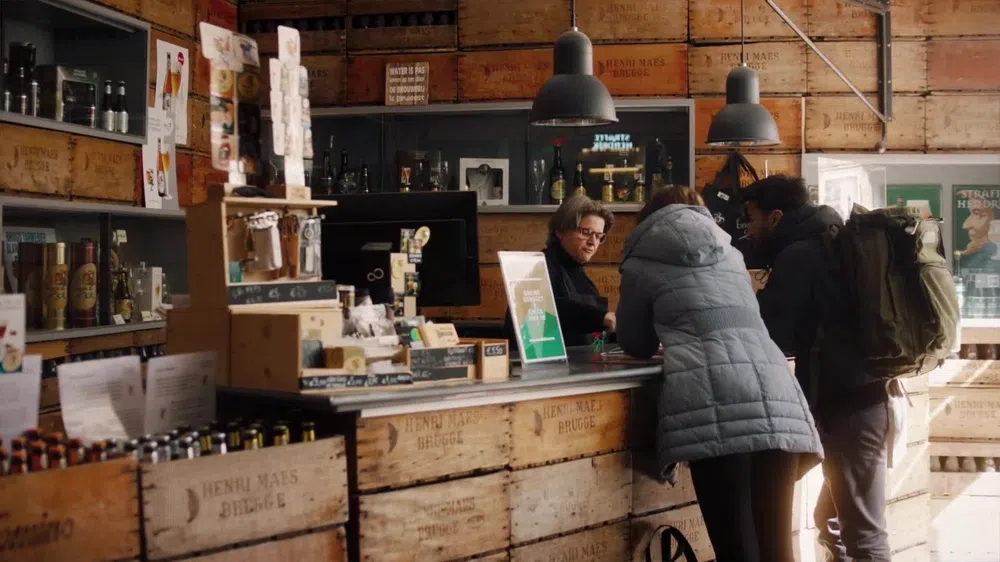
Burgers and Belgian Beer for a Birthday Night in Bruges
Which Bruges beer rooms take a booking, which are walk-in only, where a birthday group can sit down and eat, and what it all costs.
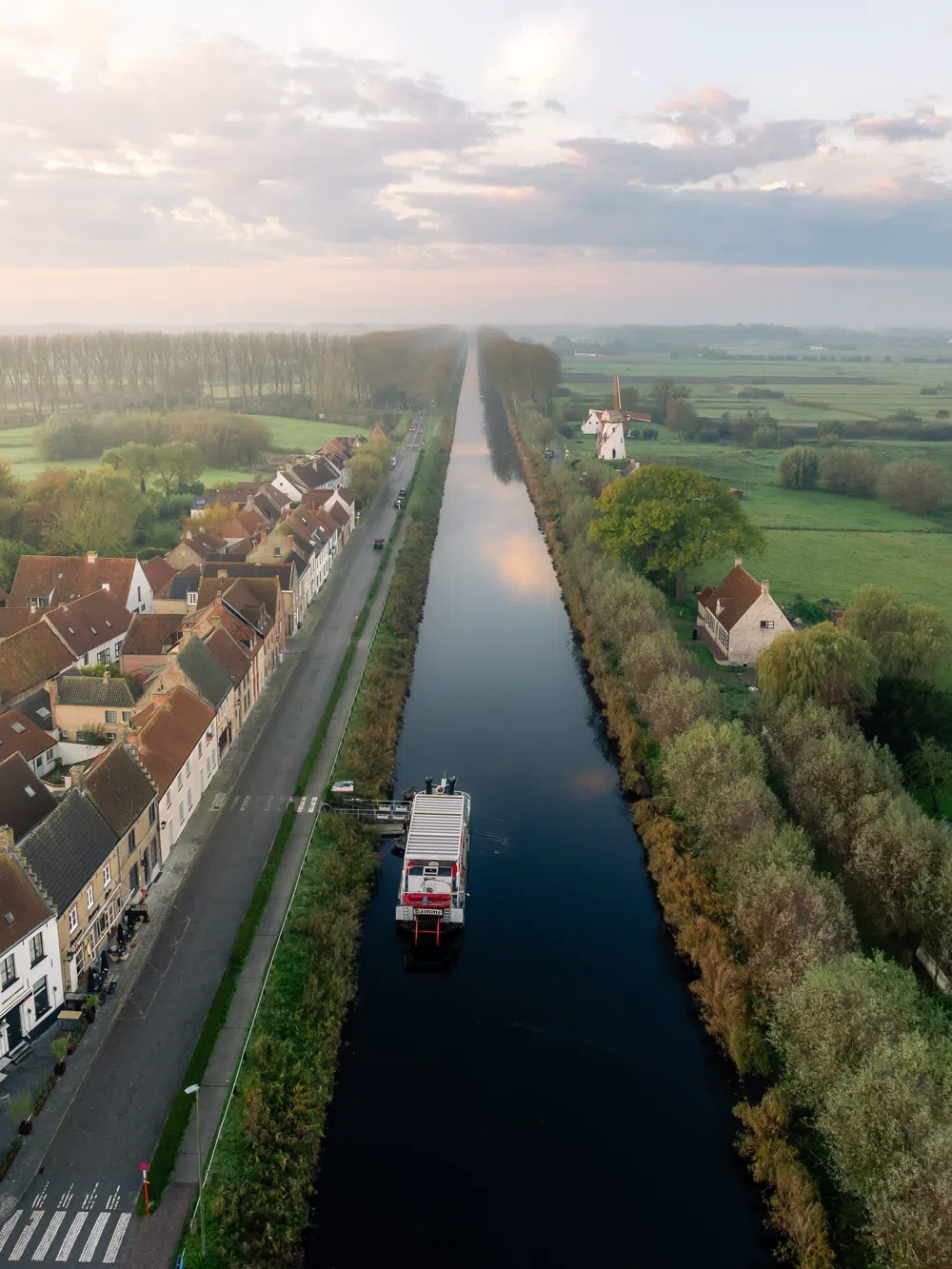
Bruges to Damme by Bike Along Napoleon's Canal
Seven flat kilometres of towpath, a mill, a book town and a Michelin star: how to ride out of Bruges to Damme and get the timings right.
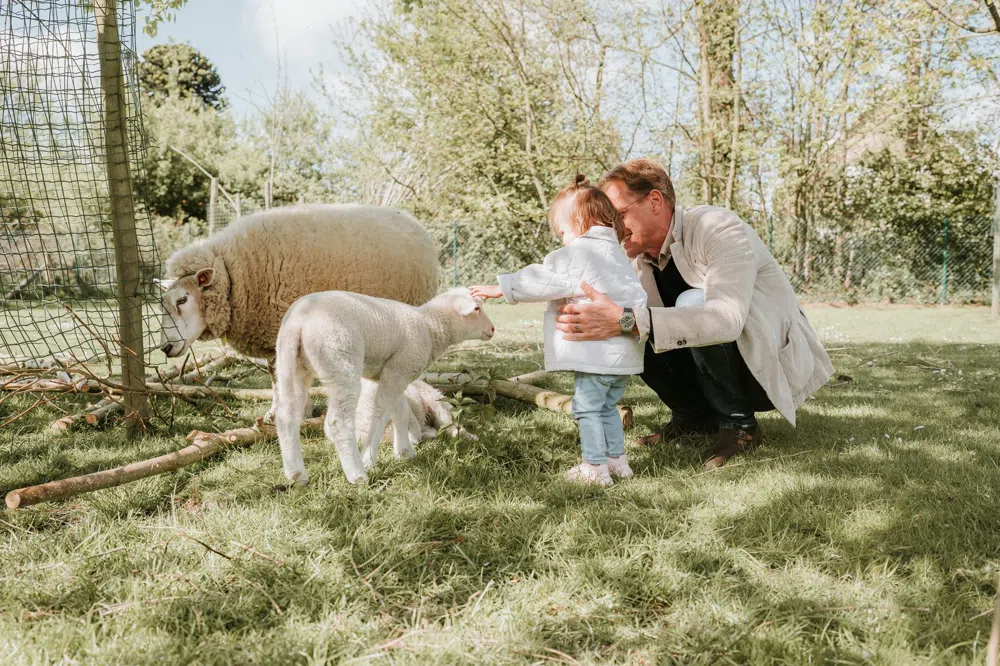
A Family Day in Bruges Away From the Coach Crowds
How to give children a full day in Bruges and spend the eleven-to-four crush somewhere quieter, with real opening hours, prices and step counts.
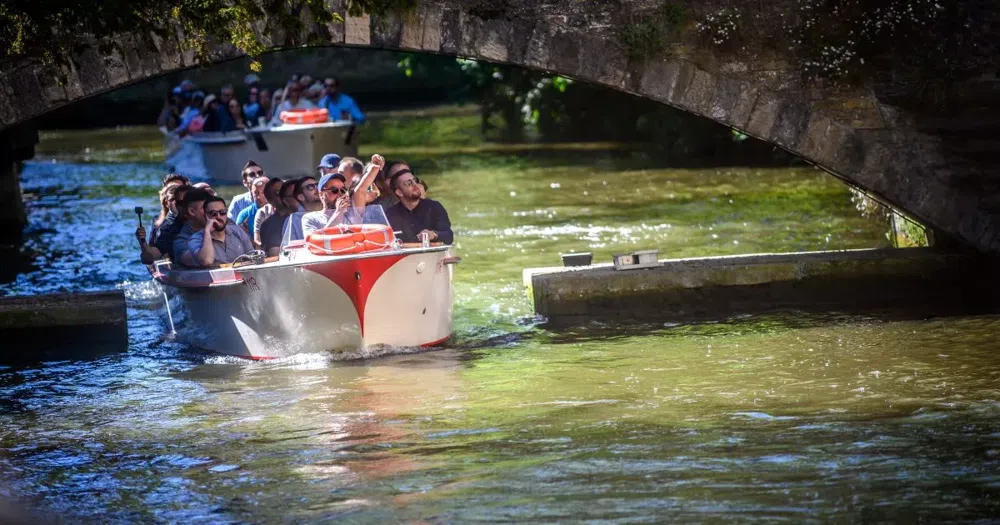
How to Spend Two Unhurried Days in Bruges
A two-day route through Bruges, planned around timed tickets, opening hours and ten-minute walks, so the belfry, the boat and the beer all fit without rushing.
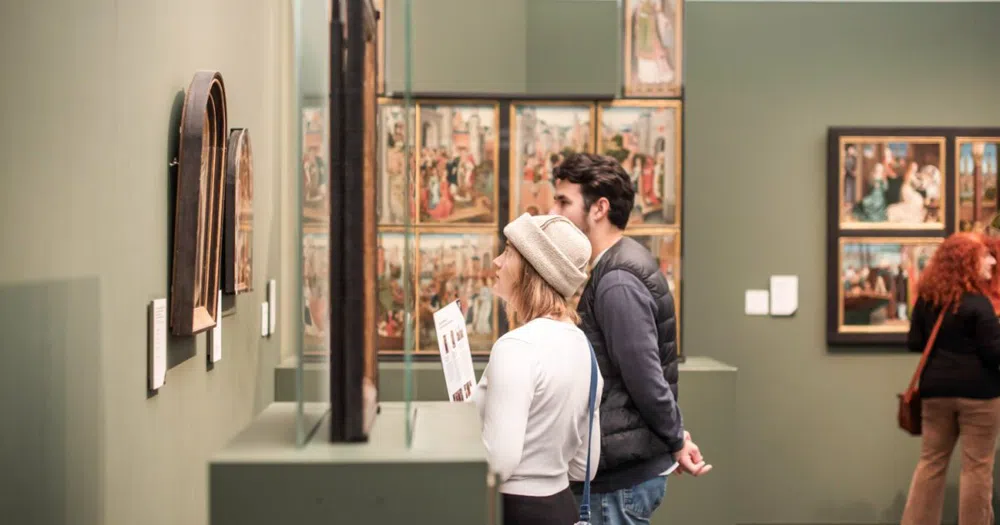
Walking the Bruges Backstreets Where Flemish Painting Began
A door-by-door walk through the Bruges streets where Van Eyck and Memling found their patrons, with 2026 opening hours, group rules and how long you have before the Groeningemuseum shuts for three years.
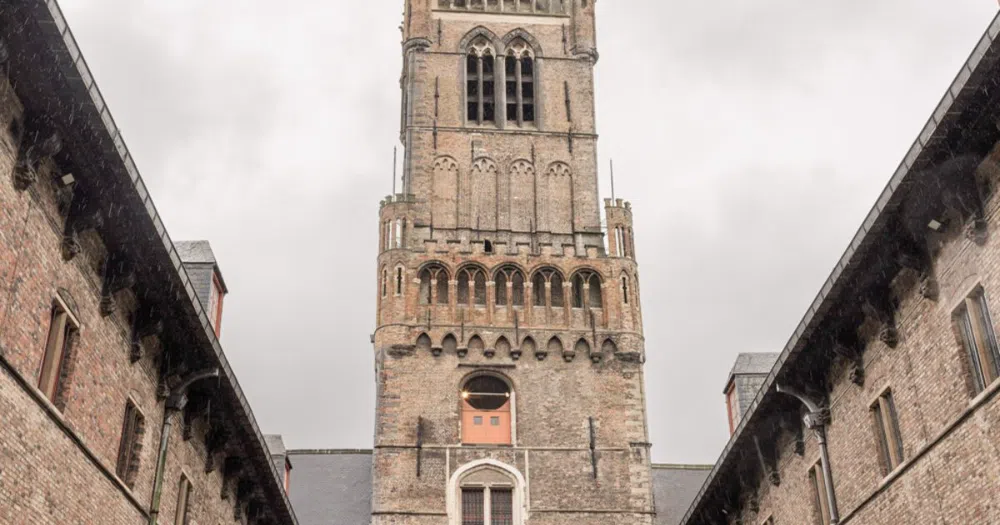
The 47 Bells of Bruges and Where to Hear Them
The paid climb, the free courtyard concerts, and how far the Bruges carillon carries in 2026: terraces, side chapels and polder villages.
Where to base yourself
The neighborhoods
01
Burg & Markt
For First-time visitors who want to be steps from major landmarks, though you trade away quiet evenings and budget-friendly dining.
The monumental heart of the city, dominated by soaring spires, Gothic civic buildings, and horse-drawn carriages.
Where to stay — High-end historic hotels housed in former patrician residences.
02
Sint-Anna
For Travelers seeking a peaceful, local atmosphere away from the tour groups, though dining options are more spread out.
A quiet, residential northern quarter known historically for its lace-makers and traditional windmills along the canal ramparts.
Where to stay — Charming bed and breakfasts and small boutique guesthouses.
03
Sint-Gilles
For Art lovers and slow travelers who prefer quiet streets and local brown cafes over souvenir shops.
A creative, working-class neighborhood with a quiet canal network and a growing number of independent galleries.
Where to stay — Mid-range guesthouses and residential rentals.
04
Ezelstraat Quarter
For Younger travelers and budget-conscious visitors looking for a less conventional side of the city.
A bohemian gateway district lined with independent boutiques, second-hand bookshops, and multicultural eateries.
Where to stay — Design-forward hostels and budget-friendly boutique hotels.
05
Onze-Lieve-Vrouwe
For Museum enthusiasts who want to be within walking distance of the city's finest art collections.
A dense cultural hub rich in art, historic hospitals, and high-end retail streets.
Where to stay — Mid-range boutique hotels and historic canal-side properties.
06
Minnewater & Begijnhof
For Couples and those seeking quiet contemplation, though it is a long walk to the northern dining districts.
A tranquil southern parkland defined by weeping willows, quiet waterways, and a historic convent enclosure.
Where to stay — Romantic, upscale hotels overlooking the water.
Book direct
Book a hotel in Bruges
Loading live availability and real-time prices…
Book ahead
Top-rated experiences in Bruges

Handcraft your own silver ring in Bruges
from $207

Private Guided Historical Walking Tour in Bruges Belgium
from $136

"Edges of Brugge" Photo Tour - 2hr open city tour & workshop
from $94

Private Belgian Chocolate Tour in Bruges
from $177

BikeTour Bruges & Damme in Spanish and English
from $208

Private Highlights Walking Tour in Bruges
from $148

2-Hour Private Walking Tour of Bruges
from $331

Small-Group Tour of Bruges with a local. Incl boat and praline
from $43
Prices from Viator; we may earn a commission when you book — at no extra cost to you. Tours are sold and operated by Viator, the merchant of record. Ratings are collected by Viator and Tripadvisor.
Timing
When to visit
Spring
April and May bring blooming daffodils to the Begijnhof and crisp, clear days perfect for walking, before the heavy summer crowds arrive.
Summer
June through August is peak season. Days are long and warm, but the main squares and canal boats are heavily congested.
Autumn
September and October see the foliage along the canals turn deep gold. Morning mists add to the medieval atmosphere, and beer cellars feel especially welcoming.
Winter
November through February is cold and quiet. Aside from the busy December market weeks, you will have the illuminated streets largely to yourself.
What it costs
Budgeting
Logistics
Getting around
From the airport
Most travelers arrive via Brussels Airport (Zaventem), which has hourly direct trains to Bruges taking roughly 90 minutes. From Brussels South Charleroi Airport, dedicated shuttle buses run directly to the Bruges train station.
Public transit
The historic center is compact enough that public transit is rarely necessary. De Lijn operates local buses from the main train station to the historic center for those carrying heavy luggage.
Passes & tickets
The Musea Brugge Card offers access to major municipal museums over a 72-hour period, representing excellent value if you plan to visit more than three sites.
On foot
Extremely high. The entire historic core is a pedestrian-friendly zone, though the uneven cobblestones require sturdy, flat footwear.
Travel smart
Safety & etiquette
Local etiquette
- •Maintain absolute silence when entering the grounds of the Begijnhof convent.
- •Do not block the narrow bicycle lanes; local commuters use them and will ring their bells aggressively if obstructed.
- •Do not feed the swans on the canals, as they are protected symbols of the city.
From the ground
Practical tips
1
Avoid eating at the restaurants directly on the Markt; walk two streets back for better quality and lower prices.
2
Rent a bicycle to explore the quiet northern windmills and outer ramparts away from the crowds.
3
Visit the Belfry first thing in the morning to avoid the strict capacity limits and long queues.
4
Buy chocolate from independent, artisanal chocolatiers rather than mass-market souvenir shops.
5
The city lights up beautifully at night; take a self-guided walk after 10 PM when the streets are empty.
6
Always carry a light rain jacket, as the North Sea weather can change rapidly.
Bruges FAQs
Is one day enough to see the city?
No, because staying overnight is the only way to experience the empty, atmospheric streets after the day-trippers have departed.
Can I drink the tap water?
Yes, tap water is perfectly safe and of high quality throughout the city.
Do I need to book canal tours in advance?
No, you can buy tickets directly at the various boarding docks, though queues form midday during the summer months.
What is the local language?
Dutch (Flemish) is the official language, though English and French are widely spoken by almost everyone in the service industry.